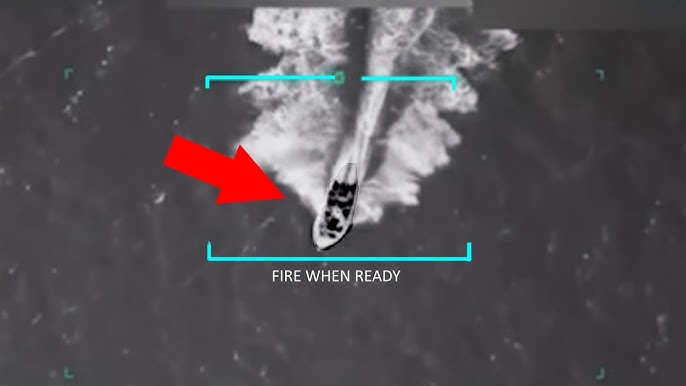
On September 2, 2025, the U.S. military carried out a precision strike against a suspected Venezuelan drug boat in international waters south of the Caribbean. Night-vision footage released by the Trump administration showed the vessel being destroyed in what officials described as a targeted operation against narcotics traffickers. According to Washington, the boat was operated by the violent Venezuelan cartel Tren de Aragua and was loaded with illegal narcotics bound for the United States. The strike k*lled 11 individuals identified by U.S. authorities as narcoterrorists.
The Official U.S. Justification
President Trump defended the strike, saying it was authorized after Tren de Aragua was formally designated a Foreign Terrorist Organization earlier this year. He framed the operation as a clear warning to drug traffickers: the U.S. would take direct and decisive action. Importantly, no American personnel were injured or harmed during the mission.
The Pentagon characterized the mission as a “lethal strike” aimed at crippling a vessel with direct links to narcotics smuggling operations. Naval warships had been deployed nearby as part of broader efforts to curb drug trafficking routes across the Caribbean.
Video: U.S. military strikes Venezuelan drug boat in Caribbean
Support and Political Backing
Secretary of State Marco Rubio strongly endorsed the action, calling Tren de Aragua a direct national threat. Supporters of the operation argue it demonstrates a tougher, no-nonsense approach to dismantling organized crime networks before drugs reach U.S. shores.
Venezuela’s Outrage and Response
The government of Venezuelan President Nicolás Maduro sharply condemned the strike. Officials accused Washington of fabricating the story and even suggested the video footage might have been manipulated. Maduro described the strike as a violation of international law and sovereignty, warning of possible retaliation. He also criticized the U.S. for increasing its naval presence in the region, calling it a direct threat to Venezuelan independence.
A First in Military Strategy
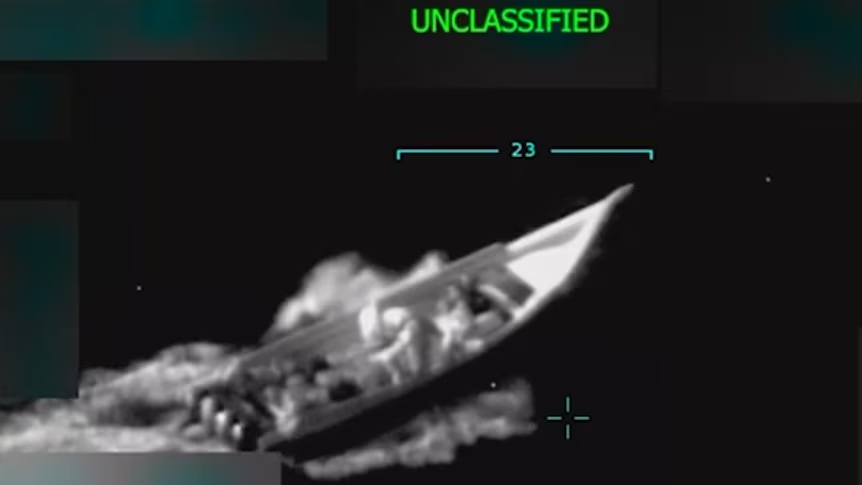
This strike marks the first time the Pentagon has directly used lethal force against a Latin American drug cartel vessel. Traditionally, such interdictions were managed by the U.S. Coast Guard, with a focus on seizing vessels rather than destroying them. Trump’s recent executive orders expanded military authority in counter-narcotics operations, paving the way for this unprecedented action.
Broader Strategic Implications
The strike comes at a time of heightened geopolitical tension, coinciding with a larger U.S. naval buildup in the Caribbean. For Washington, it underscores a shift toward a more aggressive military stance against drug trafficking. For neighboring countries like Colombia and Brazil, it raises concerns about sovereignty and the potential escalation of militarization in the region.
Video: US ‘Shot Out’ a ‘Drug Carrying Boat’ From Venezuela
What Comes Next?
The incident sets the stage for multiple consequences.
- Escalating tensions: Maduro’s warnings signal possible retaliation, which could destabilize regional security.
- Legal and ethical debates: Critics are questioning the legality of using lethal force on smugglers in international waters and whether this sets a dangerous precedent.
- Policy shifts: The U.S. may expand similar operations, effectively blurring the lines between military action and law enforcement.
Conclusion: A Turning Point in the War on Drugs
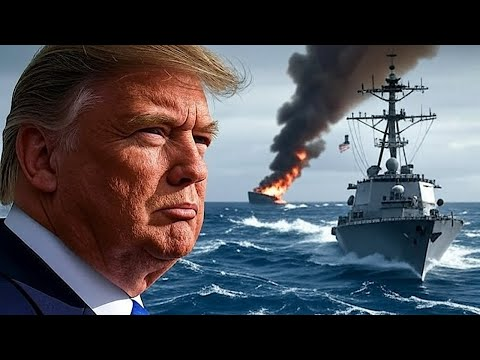
The destruction of the Venezuelan drug boat marks a bold, controversial step in U.S. anti-narcotics strategy. While Washington frames it as a decisive victory against organized crime, Venezuela sees it as an unlawful provocation. The clash highlights not just the fight against drug trafficking but also the growing geopolitical stakes in the Caribbean.
What happens next will determine whether this operation is remembered as a milestone in the war on drugs—or the spark that escalated a dangerous regional conflict.