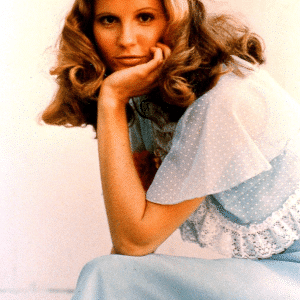
Picture the 1970s. Disco balls spinning. Neon lights glowing. Social norms cracking open. Women finding their voices and refusing to whisper anymore.
Now picture one woman who didn’t just ride that wave—she became it.
Kitten Natividad wasn’t just part of a cultural shift. She was the shift. With charisma sharp as a spotlight beam and laughter that cut through smoky clubs, she commanded attention. She didn’t wait for permission. She claimed space.
But her story goes deeper than sequins and stage lights. It’s a story of reinvention, resilience, and unapologetic self-ownership.
Let’s step inside the legend.
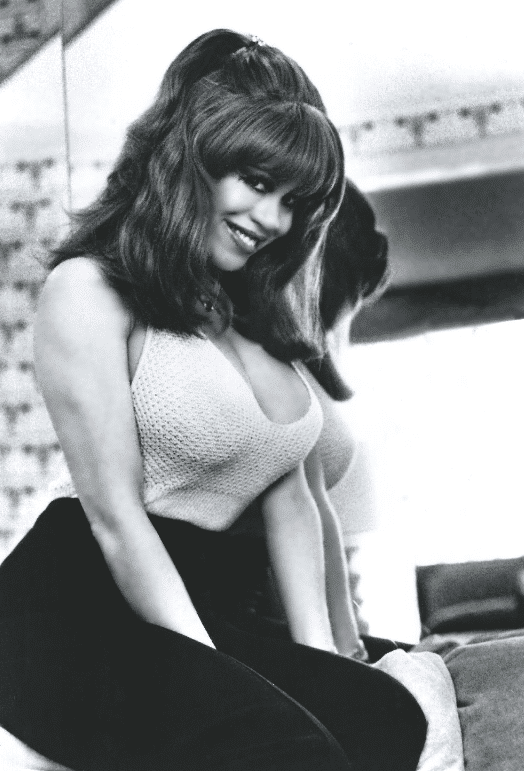
From Borderlands to Bright Lights: The Making of Kitten Natividad
A Childhood Between Two Worlds
Born Francesca Isabel Natividad on February 13, 1948, in Ciudad Juárez, Mexico, she grew up in a world shaped by movement. Her family crossed into El Paso, Texas, seeking opportunity and stability.
Growing up between cultures teaches you something powerful—you learn adaptability. You learn how to stand firm while navigating change.
Francesca wasn’t born into glamour. She wasn’t handed a spotlight. She built her stage from scratch.
California Dreams and Determination
After high school, she headed to California. Not with fame in her pocket—but with hunger in her heart.
She worked everyday jobs—cleaning houses, cooking, office typing. But something burned beneath the routine. Dance wasn’t just entertainment to her. It was expression. It was identity.
So when the chance came to perform in go-go clubs and night venues, she stepped forward.
Heels on. Chin lifted. Ready.
That decision changed everything.
The Birth of “Kitten”: A Reinvention That Roared
A Name That Carried Fire
Francesca became Kitten Natividad.
And no, it wasn’t just a stage name. It was transformation.
“Kitten” wasn’t soft. It was playful, fierce, and unpredictable. It hinted at charm—but promised power.
In 1970 and 1971, she won the title of Miss Nude Universe, establishing herself as a standout in the burlesque scene. But here’s the key: she wasn’t simply performing. She was storytelling.
Her shows combined humor, rhythm, theatricality, and bold confidence. She turned movement into message.
The Kitten Klub: Owning Her Space
Rather than wait for opportunities, she created them. Kitten launched The Kitten Klub, a creative space celebrating female expression and performance art.
That move mattered.
She wasn’t just the face of the show—she was the producer, visionary, and architect behind it. In an industry often dominated by male decision-makers, she carved out autonomy.
That’s power.
The Vixen Whirl: When Performance Became Protest
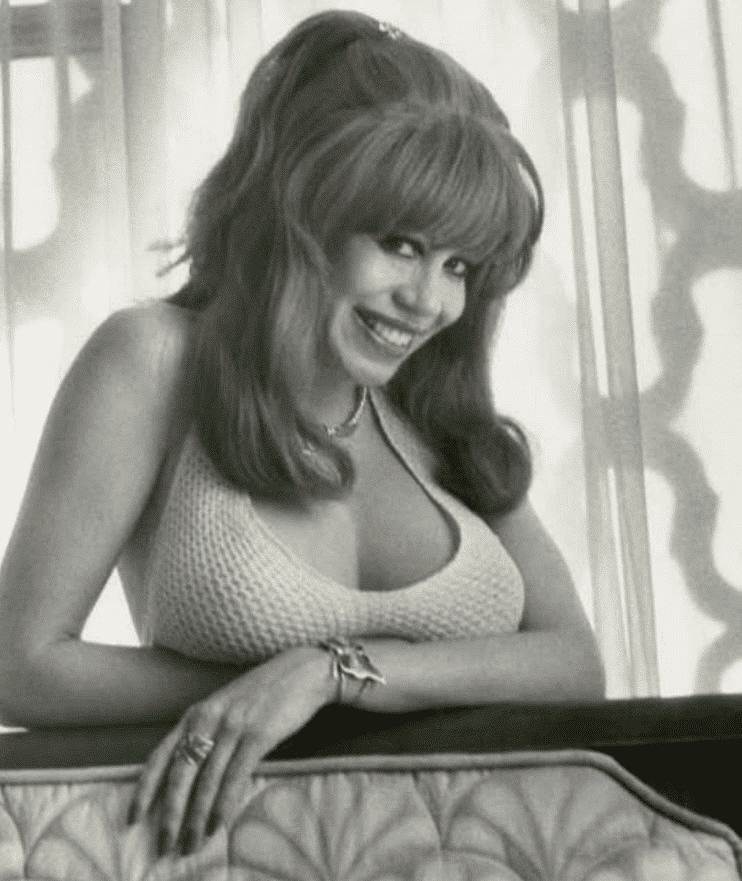
Signature Stage Presence
Audiences never forgot her iconic act—the “Vixen Whirl.”
It began slowly. A teasing grace. A calculated rhythm. Then it escalated into dynamic intensity.
Each movement was deliberate. Each gesture intentional.
She fused Latin flair with California edge. Humor with heat. Elegance with defiance.
It wasn’t about approval. It was about agency.
And when you perform from agency, the room feels it.
Confidence as a Statement
Kitten’s magnetism wasn’t just physical. It was philosophical.
She projected a message: I decide how I’m seen.
That’s a powerful shift. Especially in an era when women’s bodies were often scrutinized but their voices sidelined.
Kitten did both—she dazzled and she declared.
Hollywood, Russ Meyer, and Cult Cinema Legacy
A Creative Partnership That Sparked Fireworks
In the mid-1970s, Kitten crossed paths with filmmaker Russ Meyer, known for his eccentric, satirical style that celebrated bold female characters.
Their collaboration was electric.
She appeared in Up! (1976) and later in Beneath the Valley of the Ultra Vixens (1979). On screen, she delivered humor, timing, and fearless presence.
She wasn’t a background character. She dominated frames.
Redefining On-Screen Femininity
Critics often debated Meyer’s surreal storytelling. But Kitten thrived in it.
She brought intelligence and self-awareness to roles that could have been one-dimensional. She leaned into exaggeration with wit, transforming spectacle into commentary.
She wasn’t just acting—she was challenging expectations.
And that’s why her performances endure in cult cinema circles today.
Strength Through Struggle: The Woman Beyond the Spotlight
Facing Personal Battles
Behind the glamour, Kitten faced real-life challenges. She navigated personal hardships, professional shifts, and serious health battles—including breast cancer in 1999.
She underwent a double mastectomy. And rather than retreat into silence, she spoke openly about it.
Her attitude? Defiant optimism.
She reframed survival as strength. She used humor as armor.
And in doing so, she helped others find courage.
Redefining Beauty on Her Terms
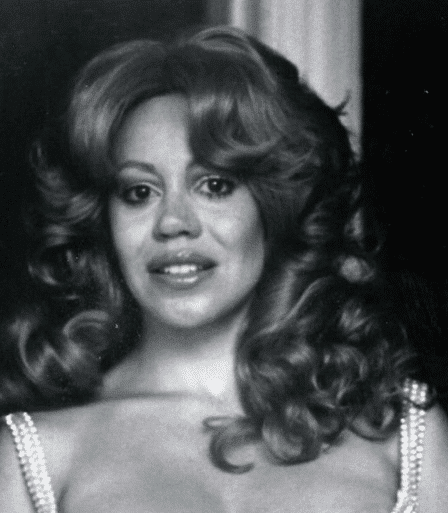
Kitten proved that beauty isn’t about perfection. It’s about presence.
She didn’t hide from adversity. She faced it head-on, redefining confidence not as flawlessness—but as resilience.
That message resonates far beyond stage lights.
Later Years: Mentorship, Art, and Enduring Influence
Championing Creative Freedom
As burlesque evolved, Kitten remained active in artistic circles. She appeared in documentaries, independent films like The Double-D Avenger (2001), and continued advocating for freedom of expression.
Her home became a gathering place for performers and creatives—a hub of stories, laughter, and history.
She preserved not just memories—but movement.
On September 24, 2022, at age 74, Kitten Natividad passed away.
An Icon Until the End

But influence doesn’t vanish with time.
Her name still circulates in burlesque revival scenes. Performers cite her fearlessness. Film enthusiasts revisit her cult classics.
Her spirit prowls where art challenges boundaries.
Why Kitten Natividad Still Matters Today
What makes Kitten unforgettable isn’t just her stagecraft. It’s her refusal to shrink.
She embraced her heritage when conformity felt safer. She amplified her voice when silence was expected. She owned her narrative in industries eager to define it for her.
Confidence wasn’t costume for her. It was conviction.
In a world still negotiating conversations about body autonomy and creative freedom, her legacy feels remarkably current.
She lived loudly—without apology.
Conclusion: The Uncontainable Flame of Kitten Natividad
Kitten Natividad didn’t simply perform in the 1970s—she reshaped it. From border-town beginnings to cult film immortality, she crafted a life defined by reinvention and self-possession.
She transformed burlesque into a declaration. She turned cinema into commentary. She made vulnerability look powerful and resilience look radiant.
Her story reminds us of something essential: identity is not assigned. It is claimed.
Kitten lived like fire—brilliant, bold, impossible to ignore.
And perhaps that’s her greatest lesson of all: when you own your story, no one else can rewrite it.