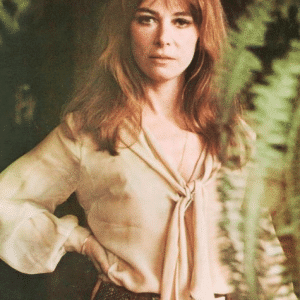
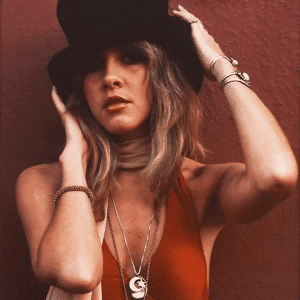
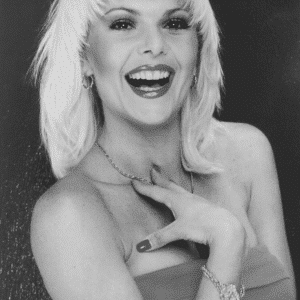
Step back into the 1970s for a moment. Think bold energy, fearless storytelling, and a new kind of Hollywood star—one who didn’t wait for permission to shine. That’s exactly where Claudia Jennings comes in.
She wasn’t just another face in the crowd. She was a spark. A presence. The kind of woman who could walk into a room and instantly shift the atmosphere. With her striking beauty, confident aura, and natural charisma, Jennings quickly became one of the most talked-about figures of her time.
But here’s the thing—her story isn’t just about fame. It’s about momentum, ambition, and a journey that felt like it was just getting started.
From Mary Eileen to Claudia Jennings: Where It All Began
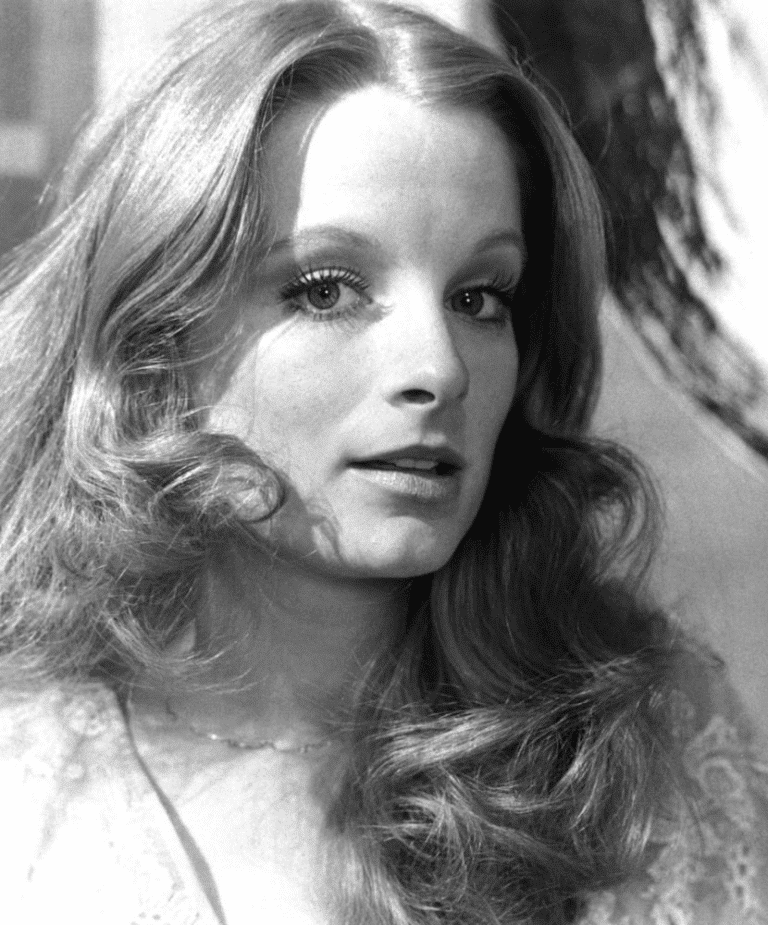
Before the lights, the cameras, and the fame, she was Mary Eileen Chesterton—a young woman from Evanston, Illinois with big dreams and an even bigger drive.
She didn’t stumble into the entertainment world by accident. She chased it. She studied it. She believed in it.
Like many aspiring performers, she started small. But sometimes, all it takes is one opportunity to change everything.
The Breakthrough That Opened Every Door
That opportunity came in a way few could have predicted—through modeling.
In 1969, Claudia Jennings captured national attention when she appeared as Playmate of the Month. Just a year later, she reached an even higher milestone—Playmate of the Year in 1970.
Suddenly, she wasn’t just recognized—she was unforgettable.
More Than Beauty—A Presence You Couldn’t Ignore
What set Jennings apart wasn’t just her appearance. It was her confidence. Her ability to connect with the camera. Her sense of control in a world that often tried to define women in narrow ways.
Video: Pl*yboy Pl*ymates of the Year
And instead of staying in that lane, she did something bold—she pivoted.
She set her sights on Hollywood.
Breaking Into Film: Not Just a Model, But a Star
Transitioning from modeling to acting isn’t always easy. Many try. Few succeed.
Claudia Jennings didn’t just succeed—she owned it.
She entered the world of drive-in cinema, where action, attitude, and personality mattered just as much as performance. And she delivered on all fronts.
The Films That Defined Her Career
🎬 Unholy Rollers (1972) – High-energy, rebellious, and unapologetically bold. Jennings played a roller derby competitor with grit and edge.
🎬 Truck Stop Women (1974) – A raw, intense performance that showcased her strength and versatility.
🎬 Gator Bait (1974) – Arguably her most iconic role. A fierce woman surviving and fighting back in the wild.
🎬 The Great Texas Dynamite Chase (1976) – Fast-paced, daring, and unforgettable—a film that solidified her cult status.
A New Kind of Female Lead

Here’s what made her stand out.
She didn’t play passive roles.
She played fighters. Survivors. Women who took control of their own stories.
In a time when female characters were often limited, Jennings brought something different—power, independence, and a sense of rebellion that audiences couldn’t get enough of.
On the Edge of Mainstream Stardom
As her popularity grew, something interesting happened.
Hollywood started paying closer attention.
She wasn’t just a cult favorite anymore—she was becoming a serious contender for bigger roles. There were auditions, discussions, and even whispers of her stepping into major productions.
Video: Claudia Jennings in The Streets of San Fransisco
At one point, she was considered for a role in Charlie’s Angels. That alone tells you how close she was to breaking into the mainstream spotlight.
So what happened?
The Pressure Behind the Spotlight
Let’s be honest—Hollywood isn’t always kind.
Behind the glamour, there’s pressure. Expectations. A constant push to stay relevant, visible, and perfect.
For someone rising as quickly as Claudia Jennings, that pressure can feel like a tidal wave.
She found herself navigating not just a career, but an entire lifestyle—one that moved fast and demanded even more.
And sometimes, that pace comes at a cost.
A Sudden Ending That Shook Hollywood
Just when everything seemed to be building toward something bigger, her journey came to an abrupt halt.
In October 1979, Claudia Jennings was involved in a tragic car accident in Malibu, California. She was only 29 years old.
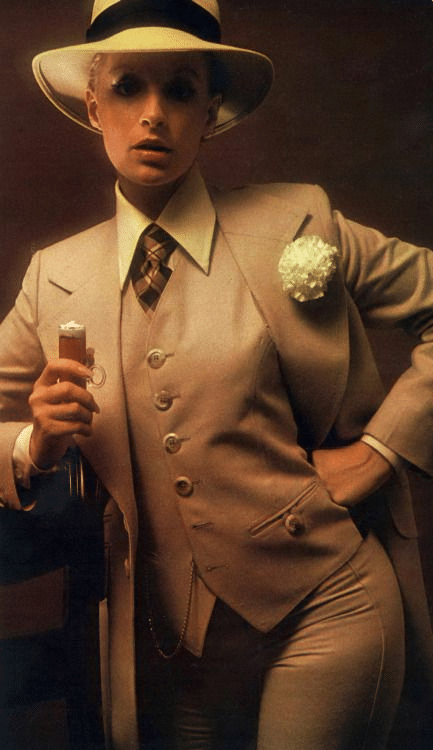
The news spread quickly, leaving fans, colleagues, and the entire industry stunned.
It wasn’t just the loss of a rising star.
It was the loss of potential—of everything she could have become.
Why Claudia Jennings Still Matters Today
Even decades later, her influence hasn’t faded. In fact, it’s grown stronger in certain circles.
A Cult Film Legend That Refuses to Fade
Her movies continue to attract loyal fans. Drive-in cinema may have evolved, but her performances still carry that raw, authentic energy people crave.
A Pioneer for Strong Female Characters
Long before it became a trend, Jennings was portraying women who were bold, resilient, and unapologetically themselves.
She helped reshape expectations—quietly, but powerfully.
A Style and Attitude That Defined an Era
Her look, her confidence, her presence—it all captured the spirit of the 70s. And even now, that era often circles back into pop culture conversations.
The Story Behind the Star: What We Can Learn

Claudia Jennings’ story feels like a shooting star—bright, fast, unforgettable.
But beyond the headlines and film credits, there’s something deeper here.
It’s about taking risks.
About stepping outside the box people try to put you in.
About chasing something bigger, even when the path isn’t clear.
And maybe most importantly—it’s about impact.
Because even a short time in the spotlight can leave a lasting impression.
Conclusion: A Legacy That Still Shines
Claudia Jennings may have lived a brief chapter in Hollywood history, but what a chapter it was.
She rose quickly, broke barriers, and brought a new kind of energy to the screen. She wasn’t just admired—she was remembered.
And that’s the difference between a passing name and a lasting legacy.
So when you think of the 1970s—of bold cinema, fearless characters, and unforgettable personalities—her name still belongs in that conversation.
Because some stars don’t fade.