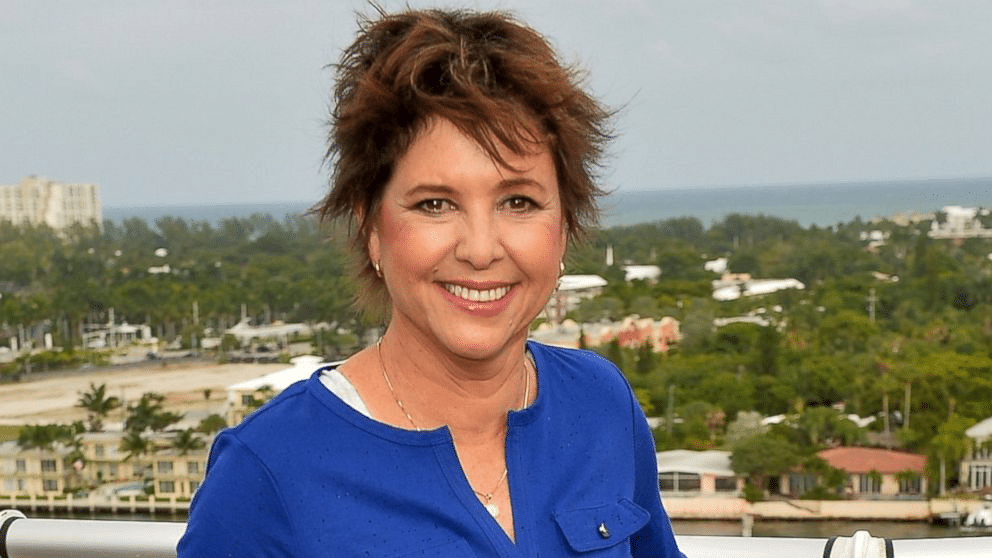
Some stars shine brightly for a season. Others leave a mark so lasting that people still talk about them years later, wondering where they went and why they stepped away. Kristy McNichol belongs to that second group.
She wasn’t just a popular actress with a camera-friendly smile. She had something rarer—she felt real. Whether she was playing a witty teen, a vulnerable daughter, or a sharp comedic presence, she made audiences believe every moment. That kind of talent cannot be faked. It comes from instinct, timing, and heart.
But Kristy’s story is not only about success. It is also about pressure, private struggles, courage, and the quiet strength it takes to walk away from something the world assumes you should never leave. Her journey feels less like a Hollywood fairy tale and more like a human story—messy, moving, and deeply inspiring.
Early Life and the Spark of Stardom
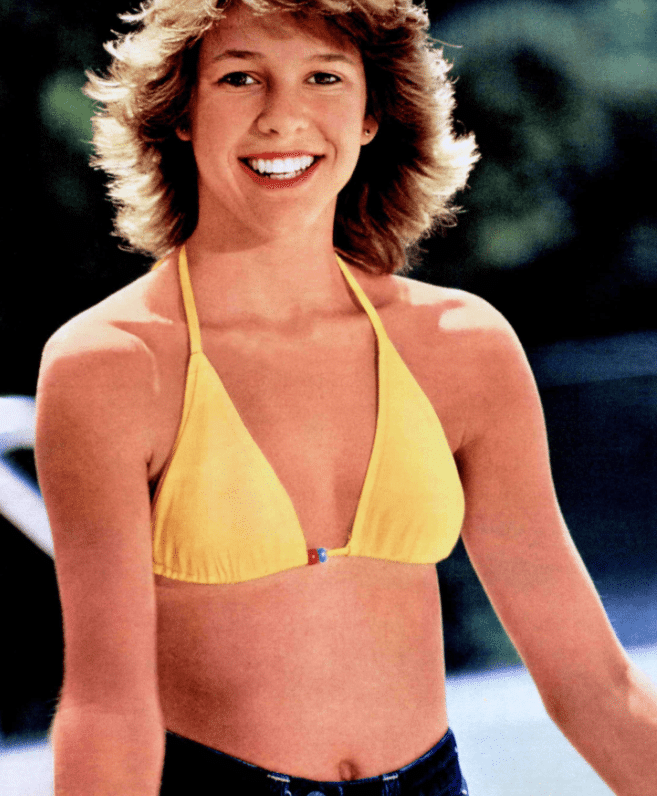
Born on September 11, 1962, in Los Angeles, Kristy McNichol seemed to arrive in the world with entertainment already knocking at the door. She grew up in a family connected to show business, so auditions, cameras, and studio lots were not distant dreams. They were part of the landscape.
Even as a child, Kristy had a natural ease in front of the camera. Some performers look like they are acting. Kristy looked like she was simply living inside the moment. That difference helped her stand out early. She began appearing in commercials and television roles while still very young, building experience step by step.
But childhood fame is a strange thing. It can look glittery from the outside, like a stage lit with golden bulbs. Inside, though, it can feel like growing up under a magnifying glass. Every expression matters. Every performance matters. Every mistake feels bigger than it should.
Kristy learned early how to work hard, adapt fast, and deliver under pressure. Those skills helped launch her career. They also came with a cost.
The Breakthrough Role That Made America Fall in Love
Kristy’s major breakthrough came when she was cast as Buddy Lawrence on the television drama Family. This was the role that changed everything. Buddy was bright, spirited, emotionally layered, and completely memorable. Kristy brought a spark to the character that made viewers feel like they knew her personally.
Video: Kristy McNichol Wins Outstanding Supporting Actress in a Drama Series | Emmys Archive (1979)
Audiences connected with her immediately. Critics did too. She won two Emmy Awards while still in her teens, which is no small feat. That kind of recognition at such a young age made one thing clear: Kristy McNichol was not simply a child star riding a lucky wave. She was the real thing.
Her success on Family turned her into one of the most admired young performers of the era. She became the kind of actress producers wanted, networks trusted, and fans rooted for. She had warmth without losing edge. She had vulnerability without losing strength. That balance made her magnetic.
It also meant the spotlight became brighter.
A Rising Film Career and the Weight of Expectations
As the 1970s gave way to the 1980s, Kristy’s career expanded quickly. She appeared in films like Little Darlings and The Night the Lights Went Out in Georgia, proving she could move from television to film without losing momentum. She could do comedy, drama, and emotional tension with equal confidence.
Hollywood loves momentum. Once it sees someone rising, it wants more and more. More roles. More appearances. More publicity. More perfection.
Kristy became one of the most visible young actresses of her generation. To fans, she looked unstoppable. She seemed confident, funny, gifted, and in control. But fame can be like standing in the middle of a storm while everyone else only notices the spotlight. The applause is loud, but so is the pressure.
Long workdays, nonstop scrutiny, and the constant demand to stay polished began to weigh heavily on her. The industry often celebrates youth, but it does not always protect it. For a young woman carrying enormous expectations, that environment could feel less like a dream and more like a treadmill that never slowed down.
The Private Struggles Behind the Public Smile
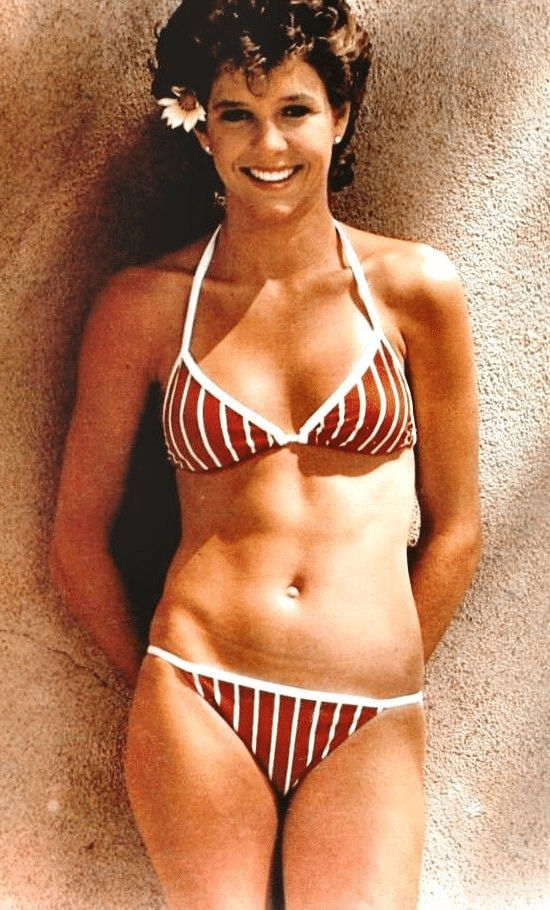
While her career continued to grow, Kristy was dealing with something much more serious behind the scenes. She faced profound emotional and mental health struggles that were not widely understood at the time. Eventually, it became known that she had bipolar disorder.
Today, people speak more openly about mental wellness. Back then, many public figures felt intense pressure to hide what they were going through. Silence was often treated as survival. Vulnerability was seen as risk.
Kristy tried to keep going. She returned to work, took on more roles, and pushed through difficult periods. But anyone who has ever tried to carry too much for too long knows what eventually happens: the body and mind ask for a different path.
Her struggle was not a sign of weakness. It was a sign that she was human.
That truth matters because so many people still think strength means never stepping back. Kristy’s story shows the opposite. Sometimes strength is knowing when to stop.
Walking Away From Fame and Choosing Herself
By the early 1990s, Kristy McNichol made the kind of decision that shocks Hollywood. She stepped away.
Not because she lacked talent. Not because audiences stopped caring. Not because opportunities disappeared. She left because her well-being mattered more than continuing to perform under relentless pressure.
Video: Kristy McNichols Tribute
That choice may have confused some people at the time, but in hindsight, it looks incredibly brave. Hollywood often rewards visibility above all else. It can make people believe they must keep going no matter the cost. Kristy refused that bargain.
She chose peace over applause.
She chose healing over headlines.
She chose a private life over public expectation.
There is something deeply powerful about that. In a world that constantly tells people to do more, show more, and stay visible, stepping back can be an act of profound self-respect.
Living Authentically and Sharing Her Truth
For years, Kristy lived quietly and kept her personal life out of the spotlight. Then, later in life, she shared something deeply personal with the public: she spoke openly about her long-term relationship with Martie Allen.
She did this on her own terms, in her own time. That detail matters. Real authenticity is not about performing truth for others. It is about arriving at a place where you no longer feel pressured to hide.
Her openness resonated with many people, especially those who had spent years feeling they had to edit themselves to be accepted. By speaking honestly, Kristy offered something more meaningful than a comeback headline. She offered representation, dignity, and reassurance.
She showed that peace does not come from fitting into someone else’s expectations. It comes from living honestly.
Life Beyond Hollywood and a Different Kind of Legacy
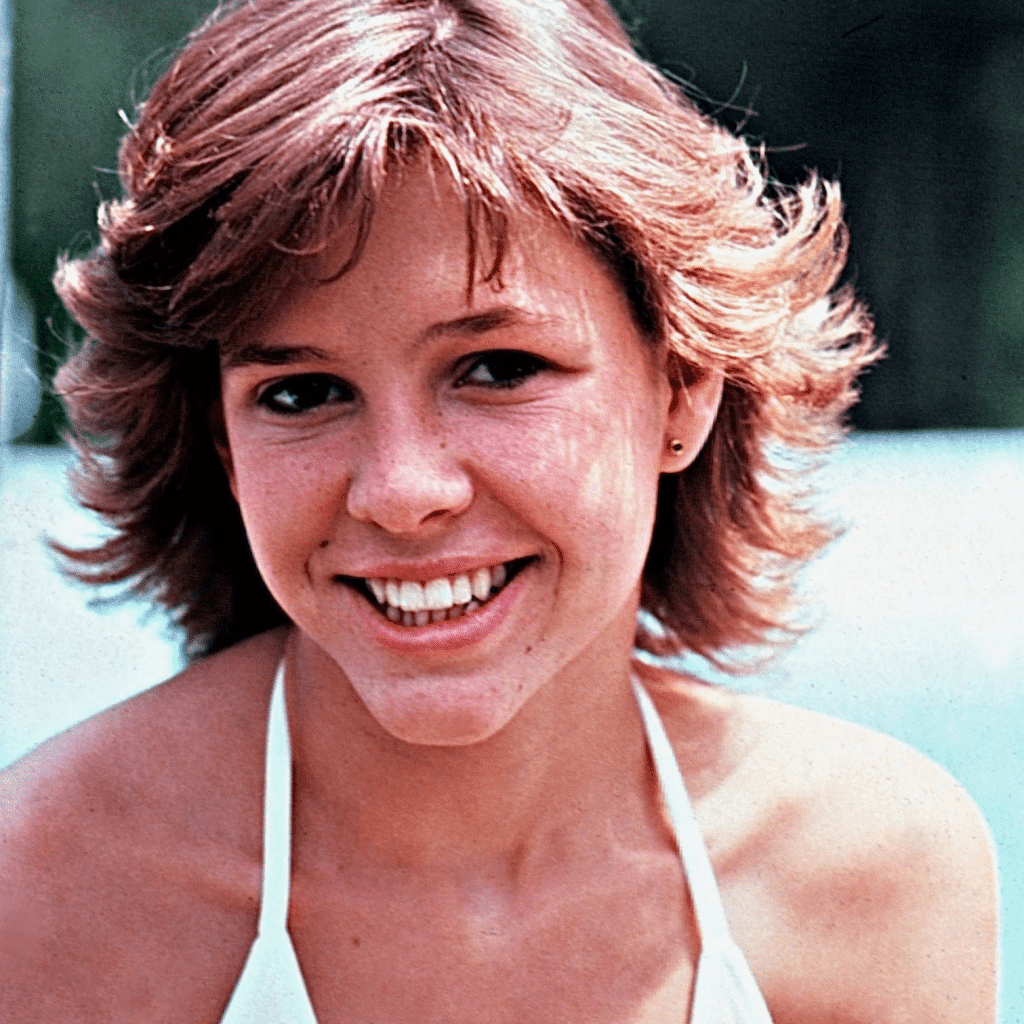
Unlike many former stars, Kristy never chased a dramatic return to the screen. Instead, she built a life centered on privacy, purpose, and service. She has devoted time to teaching acting, supporting charitable work, and encouraging young people facing emotional and mental health challenges.
That may not create tabloid buzz, but it reveals character.
Her legacy now stretches beyond her performances. Yes, people still remember the roles. They still remember the smile, the energy, and the natural talent. But they also remember the woman who chose herself when it mattered most.
And maybe that is the most lasting kind of legacy there is.
Conclusion: Kristy McNichol’s Real Triumph
Kristy McNichol’s story is not about fading from view. It is about transformation. She rose to fame through talent, dedication, and undeniable charm. She won hearts across television and film. Then, when life demanded honesty, she made the courageous choice to step away and protect her peace.
That decision did not diminish her legacy. It deepened it.
She remains one of the most memorable stars of her era, not only because of what she achieved on screen, but because of what she represented off screen: resilience, self-awareness, authenticity, and grace under pressure.
Kristy McNichol did more than succeed in Hollywood. She reminded people that the most important role anyone can play is being true to themselves.