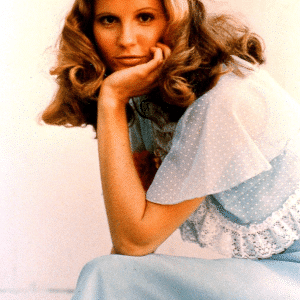
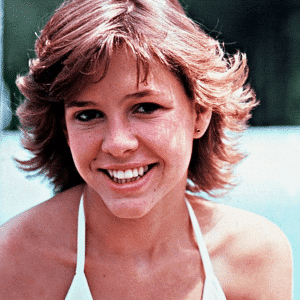
Some actors simply appear on screen. Others ignite it.
Deborah Watling belonged to the second category.
Best remembered as Victoria Waterfield in Doctor Who, she became one of the most beloved companions of the 1960s era. But reducing her legacy to a single role would be like describing the TARDIS as just a blue box. There was so much more inside.
Her life unfolded like a well-written drama—early success, science fiction fame, stage triumphs, and a resilience that carried her through decades in an ever-changing industry. Deborah Watling wasn’t just part of British television history. She helped shape it.
So let’s step into her world and explore how a young girl from Essex became a lasting icon of stage and screen.
Born Into the Spotlight: Early Life in Essex
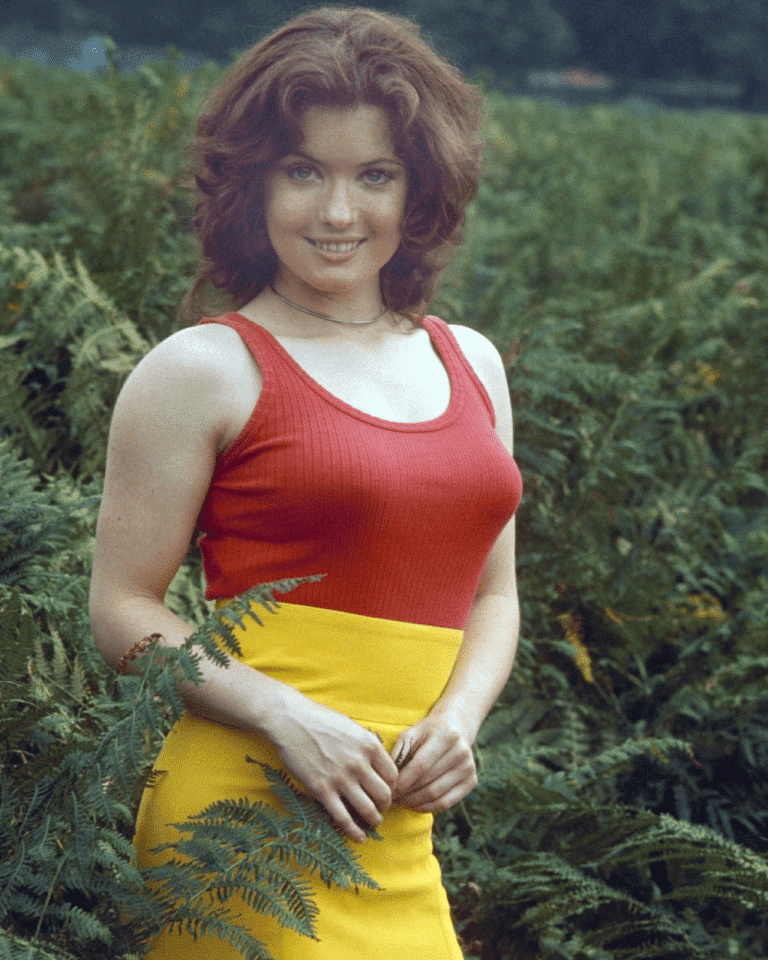
Deborah Watling arrived on January 2, 1948, in Loughton, Essex, into a household where scripts and rehearsals were as normal as breakfast and tea.
Her father, Jack Watling, built a respected acting career in film and television. Her mother, Patricia Hicks, brought theatrical elegance from the stage. Performance wasn’t a distant dream in the Watling home—it was daily life.
Growing up surrounded by artistic conversation, Deborah absorbed storytelling like oxygen. She attended Braeside School and later trained at the Italia Conti Stage School, where discipline met creativity. For a brief moment, she considered dentistry. But let’s be honest—some people are wired for performance. And Deborah was one of them.
Have you ever felt something pull you toward it so strongly that resistance feels pointless? That’s how acting found her.
Child Star to Rising Talent: Early Television Success
Deborah’s career began before most teenagers figure out what they want to do with their lives.
At just 11 years old, she appeared in the television series William Tell, instantly demonstrating confidence far beyond her years. Soon after, she secured a recurring role in The Invisible Man, charming audiences with expressive performances that felt genuine and effortless.
Her breakthrough arrived in 1965 with Alice, Dennis Potter’s imaginative adaptation inspired by Lewis Carroll. Deborah’s portrayal captured innocence layered with emotional depth. She didn’t simply act whimsical—she embodied wonder.
Critics noticed. Viewers connected.
And suddenly, she wasn’t just a promising young performer. She was a rising star.
Doctor Who and Victoria Waterfield: A Cultural Milestone
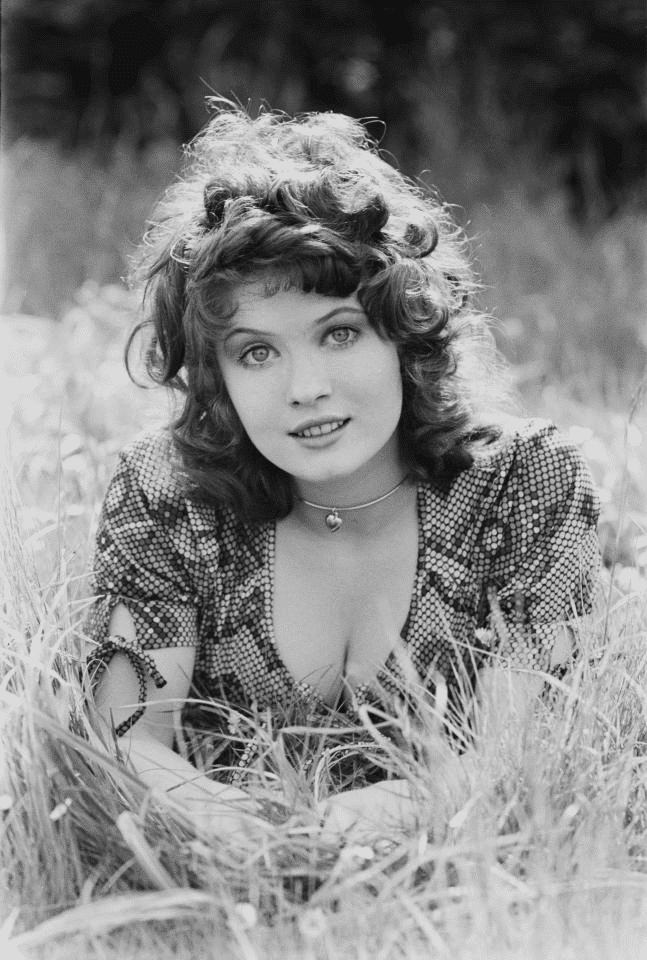
Then came 1967—and with it, television history.
Deborah Watling joined Doctor Who as Victoria Waterfield, companion to Patrick Troughton’s Second Doctor. Victoria was a Victorian-era young woman thrust into alien landscapes, battling Cybermen, Daleks, and other cosmic threats.
But here’s what made Deborah unforgettable: she gave Victoria heart.
She portrayed fear without weakness. She expressed vulnerability without losing strength. Her wide-eyed reactions made danger feel real, yet her loyalty grounded every adventure.
Episodes like The Tomb of the Cybermen continue to stand as testament to her talent. Although some stories from that era were erased due to archival practices, her performance remains etched into the memory of fans worldwide.
Isn’t it fascinating how certain characters refuse to fade, even when reels disappear? Victoria Waterfield remains one of those luminous figures.
Life After the TARDIS: Expanding Her Range
Leaving Doctor Who didn’t slow Deborah down. If anything, it broadened her horizon.
She joined the BBC soap The Newcomers, bringing warmth and authenticity to her role as Milly. Television audiences welcomed her back with open arms.
Her film career flourished in the 1970s. She appeared in That’ll Be The Day alongside David Essex and Ringo Starr, and later in Take Me High with Cliff Richard. These roles allowed her to explore musical and dramatic tones, showcasing a versatility that proved she wasn’t confined to science fiction.
Yet perhaps the most profound evolution came when she returned to theater.
The Stage: Where Her Talent Deepened
Theater demands presence. There are no second takes. No edits. Just you and the audience.
For Deborah Watling, the stage became a powerful creative refuge.
She toured with the hit comedy Noises Off, embraced social satire in Abigail’s Party, and delivered an emotionally charged performance as Mrs. Alving in Ibsen’s Ghosts. Each role revealed new layers—maturity, nuance, emotional complexity.
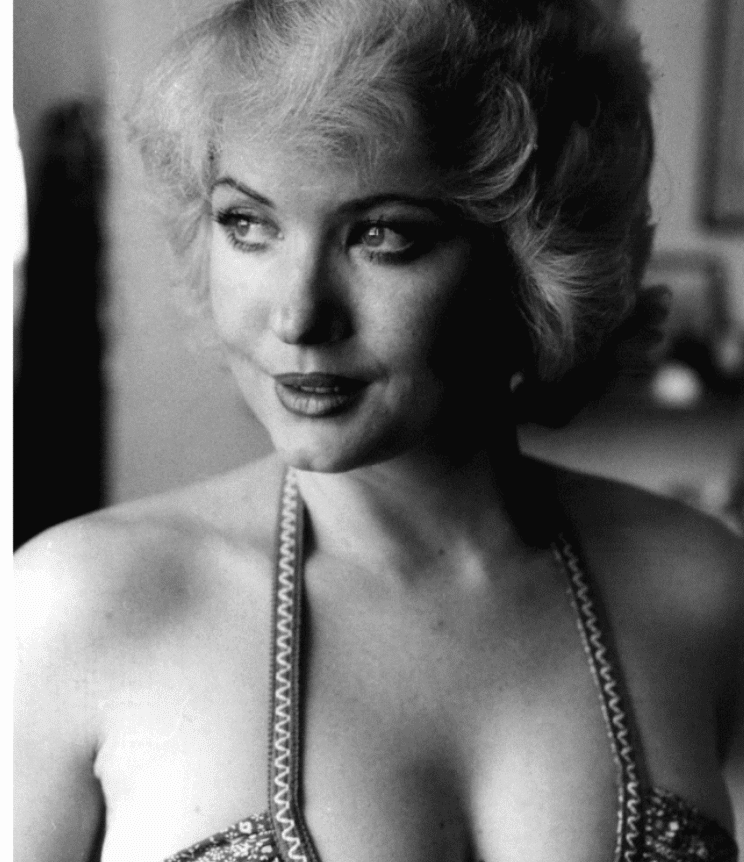
If television gave her visibility, theater gave her depth.
And depth, as any seasoned performer will tell you, is what sustains a long career.
Personal Strength and Grace Behind the Scenes
Beyond the lights and applause, Deborah was known for her warmth and humor. Colleagues described her as generous, approachable, and quick to laugh. She carried the kind of energy that brightened rehearsal rooms.
She married twice and found lasting companionship with Steve Turner in 1992. Family remained central to her life, grounding her amid the unpredictability of show business.
In 2017, she faced lung cancer with quiet courage. Deborah passed away on July 21 at the age of 69, surrounded by loved ones. The news resonated deeply throughout the entertainment community and among devoted fans.
When someone brings joy to millions, their absence feels personal—even if you’ve never met them.
An Enduring Legacy in British Television History
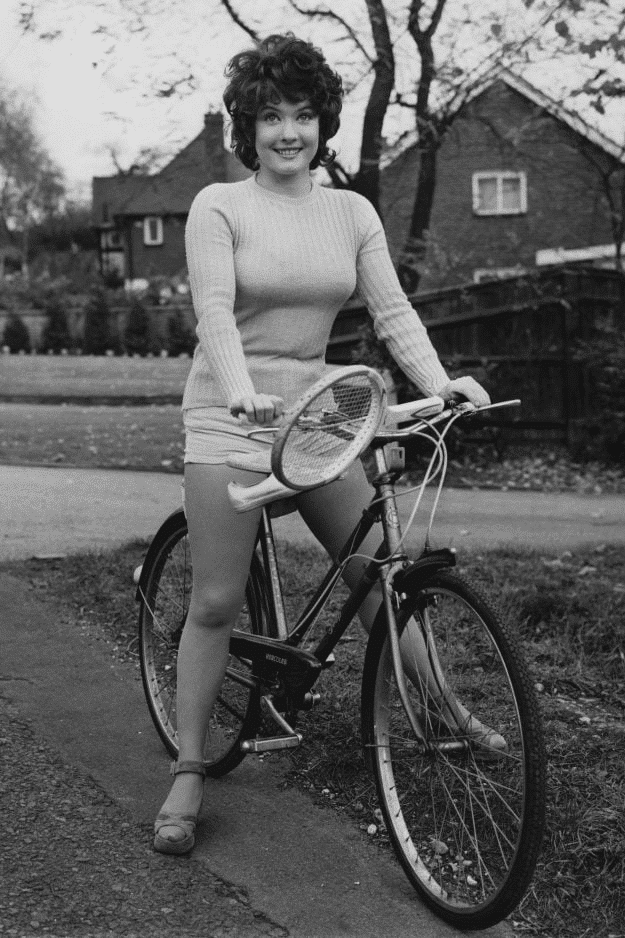
Deborah Watling’s influence hasn’t faded with time.
Her Doctor Who episodes continue to be restored and celebrated. Conventions keep her character’s spirit alive. Audio adaptations and retrospectives introduce her work to new generations.
But her legacy extends beyond one franchise.
She represents a generation of performers who moved seamlessly between television, film, and theater—crafting careers built on adaptability rather than hype. She didn’t chase headlines. She honed her craft.
And that commitment is precisely why her name still resonates.
Why Deborah Watling Still Matters Today
In a media landscape obsessed with instant fame, Deborah’s journey feels refreshingly grounded.
She evolved. She embraced change. She deepened her artistry instead of clinging to a single role. Her career serves as a blueprint for longevity: build skill, nurture relationships, and stay authentic.
Isn’t that the real secret to relevance?
Deborah Watling reminds us that impact isn’t measured in fleeting trends. It’s measured in connection—how deeply you move an audience, how vividly your characters live on.
Conclusion: A Spark That Never Truly Fades
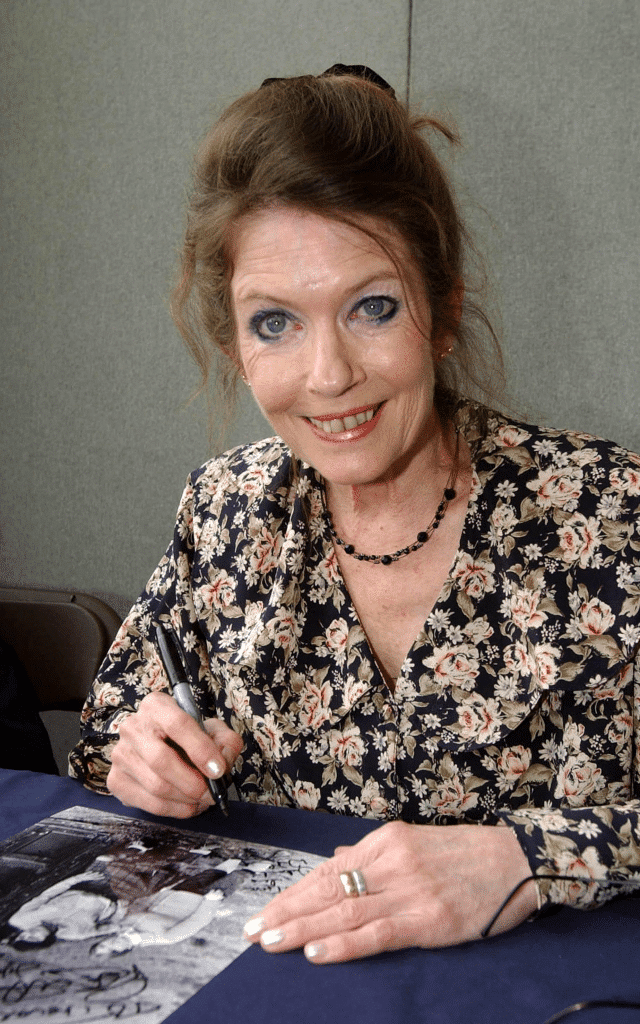
Deborah Watling’s life was a celebration of performance in its purest form. From early television roles to her unforgettable turn in Doctor Who, from film appearances to commanding stage performances, she brought sincerity and energy to every role.
Her journey reflects resilience, talent, and an unwavering love for storytelling. Though she is no longer with us, her work continues to inspire viewers, actors, and fans alike.
She stepped into the spotlight as a young girl from Essex.
She left it as an enduring icon.
And somewhere, in the vast universe of British entertainment, her spark still glows