Do you remember the first time you saw Suzi Quatro on stage? That unmistakable presence—tight leather, bass guitar slung low, and a voice that didn’t just sing but commanded. She didn’t ask for attention. She took it.
At a time when rock was overwhelmingly male-dominated, Suzi didn’t try to fit in. She rewrote the rules. Her performances felt less like concerts and more like declarations: bold, loud, and unapologetically powerful.
And that’s exactly why she still matters today.
Detroit Roots: Where the Fire Was Lit

A Musical Childhood in the Motor City
Born Susan Kay Quatro in Detroit, Michigan, on June 3, 1950, Suzi grew up in a household where music wasn’t optional—it was oxygen. Her father, a jazz musician, filled the home with rhythm, and by the age of eight, she was already playing drums in his band.
Detroit in the 1960s wasn’t just tough—it was competitive. And that environment shaped her early. By 14, she had formed The Pleasure Seekers, performing in local venues and opening for legends like Chuck Berry.
Learning to Stand Her Ground
Imagine being a teenage girl in a gritty rock scene dominated by men. That pressure didn’t break her—it built her. Those early years gave Suzi something invaluable: resilience. She learned to fight for her space, her sound, and her voice.
And that edge would soon take her far beyond Detroit.
London Breakthrough: The Rise of a Glam Rock Star
Taking a Leap Across the Atlantic
In 1971, Suzi made a bold move—she left the U.S. and headed to London. There, she signed with producer Mickie Most under RAK Records.
Her first single, Rolling Stone, didn’t make waves. But then came Can the Can in 1973—and everything changed.
Chart-Topping Success and Iconic Hits
Can the Can shot to the top of the UK charts, and suddenly, Suzi Quatro wasn’t just a rising artist—she was a phenomenon.
Hit after hit followed:
- 48 Crash
- Daytona Demon
- Devil Gate Drive
Her sound was raw, her look unforgettable, and her energy contagious. Touring alongside bands like Slade and Sweet, she didn’t just perform—she dominated.
Breaking Barriers: A Woman Who Changed Rock Forever
Redefining the Role of Women in Music
Before Suzi, women in rock were often expected to be soft, polished, and secondary. She flipped that narrative.
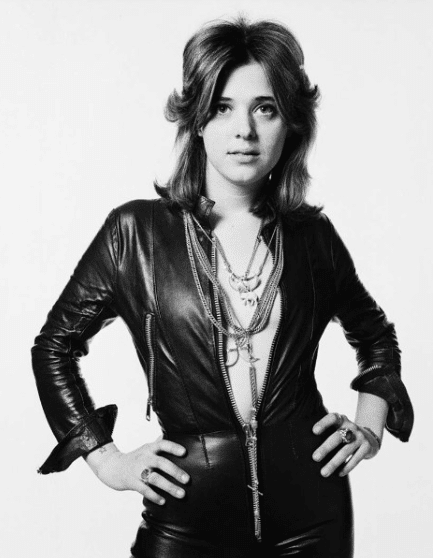
She was the first woman to:
- Front a rock band
- Play bass as the lead performer
- Deliver vocals with raw grit and authority
She didn’t just participate in rock—she owned it.
Influence That Echoes Through Generations
Artists like Joan Jett and Chrissie Hynde have openly acknowledged her influence. Even Kurt Cobain admired her fearless authenticity.
Her 1977 album Aggrophobia showed her versatility, blending hard rock with melodic hooks. She proved that strength and musicality could coexist—and thrive.
Beyond Music: Television, Theater, and Reinvention
From Stage to Screen
Suzi wasn’t content with just conquering music. She expanded her reach into acting, most notably appearing as Leather Tuscadero on the hit TV show Happy Days.
That role introduced her to a broader American audience and showcased her charisma beyond the stage.
A Multifaceted Career
Her talents extended further:
- Starred in the London musical Tallulah Who?
- Hosted a BBC radio show
- Continued touring globally
Through every shift, one thing remained constant—her identity. She never diluted her rock spirit.
Personal Life: Strength Behind the Spotlight
Balancing Fame and Family
Behind the leather and loud guitars was a woman navigating real life. Suzi married guitarist Len Tuckey in 1976, and together they raised two children while continuing to create music.
After their separation, she found love again with German promoter Rainer Haas.
Honest About Challenge
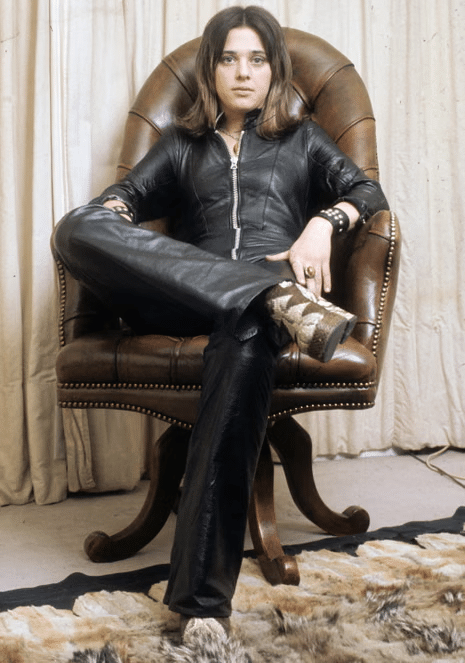
She never hid the realities of balancing motherhood and a demanding career. Instead, she spoke openly about it—adding another layer of relatability to her larger-than-life persona.
Because even rock legends face everyday struggles.
Still Rocking Today: A Legacy That Refuses to Fade
A Timeless Performer
Now in her seventies, Suzi Quatro continues to tour, record, and connect with fans worldwide. Her energy hasn’t dimmed—it’s evolved.
Her 2021 album The Devil Gate Drive proved she still has stories to tell and music to share.
Connecting with a New Generation
Through social media and live performances, she bridges generations. Younger audiences discover her for the first time, while longtime fans continue to celebrate her legacy.
And the most remarkable part? She’s still doing it her way.
Conclusion: The Rebel Who Made Her Own Rules

Suzi Quatro isn’t just a rock star—she’s a trailblazer who reshaped an entire genre. From the streets of Detroit to global stages, she proved that talent, determination, and authenticity can break any barrier.
She didn’t wait for permission. She didn’t follow trends. She created her own path—and invited others to do the same.
And that’s why her story still resonates today.
Because true legends don’t fade—they evolve, inspire, and keep the music alive, louder than ever.