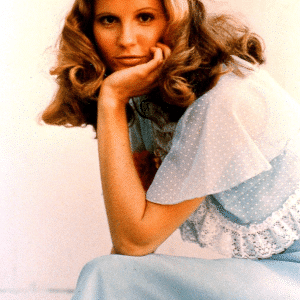
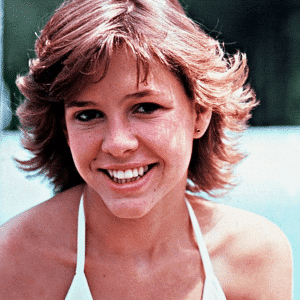
Have you ever seen a face on screen and felt like you’ve known it forever?
That’s the quiet, lasting magic of Rebecca Gayheart.
She wasn’t just another actress passing through Hollywood—she was a presence. Soft yet striking. Familiar yet mysterious. Whether she appeared in commercials, teen dramas, or cult films, she had that rare ability to linger in your mind long after the scene faded.
So what made her stand out in an industry filled with rising stars?
Let’s take a closer look.
From Kentucky Roots to Big-City Dreams

Every story has a beginning—and Rebecca’s started far from the spotlight.
She was born in Hazard, Kentucky, a small town where life moved slower and dreams often felt distant. Her family lived modestly. Her mother worked in beauty sales, while her father supported the household through physically demanding work.
But here’s the thing…
Sometimes, the biggest dreams grow in the smallest places.
At just 15, Rebecca entered a local modeling contest—and won. That moment became her turning point. Almost overnight, she found herself stepping into a completely different world: New York City.
Imagine that shift.
From quiet streets to crowded avenues. From familiarity to endless possibility.
She enrolled in the Professional Children’s School and later trained at the Lee Strasberg Theatre Institute, balancing education with modeling gigs and commercials. Each step brought her closer to something bigger.
The Breakthrough: Becoming the “Noxzema Girl”
You know how some commercials just stick with you?
Rebecca’s did exactly that.
In the early 1990s, she became widely recognized as the “Noxzema Girl.” Her glowing skin, natural charm, and effortless confidence turned a simple skincare ad into a cultural moment.
Video: Rebecca Gayheart – leather skirt
But it wasn’t just about appearance.
It was about connection.
She felt relatable. Approachable. Real.
And that’s what transformed her from a model into a recognizable name across households.
From there, opportunities began to open—fast.
Television Fame and Emotional Storytelling
After her commercial success, Rebecca transitioned into television.
She joined the soap opera Loving, and later appeared in Beverly Hills, 90210, where she played Antonia Marchette. Her storyline struck an emotional chord with audiences, blending romance, vulnerability, and intensity.
Why did it work so well?
Because she didn’t overplay it.
She let the emotions breathe.
That subtlety made her performances feel authentic—like watching real life unfold rather than scripted drama.
Scream Queen Status: A Defining Era

Then came the late 1990s—the era that truly defined her career.
Rebecca stepped into the horror genre with Urban Legend (1998), a film that tapped into the growing fascination with suspense-driven storytelling. She brought a unique balance to the role: strength wrapped in vulnerability.
Soon after, she appeared in Jawbreaker (1999), a dark teen comedy where she played Julie Freeman. This role added another layer to her image—showing that she could handle both emotional depth and edgy storytelling.
Together, these performances earned her a place among Hollywood’s most memorable “scream queens.”
But here’s what made her different…
She wasn’t just reacting to the story.
She was grounding it.
More Than One Role: Exploring Versatility
It would have been easy to stay within one genre.
But Rebecca chose a different path.
She explored comedy, drama, and even directing. Films like Nothing to Lose and Shadow Hours showcased her ability to shift tones effortlessly.
Video: Flirt commercial – Rebecca Gayheart
Think of it like an artist changing styles without losing identity.
That’s not easy—but she made it look natural.
She also continued modeling, appearing in magazines and campaigns that reinforced her status as a style icon.
Life Behind the Spotlight: Strength and Resilience
Here’s where the story becomes more personal.
Rebecca’s life hasn’t been without challenges.
In 2004, she married actor Eric Dane, and together they built a family with two daughters. Motherhood became a central part of her identity—something she embraced fully.
But life also brought difficult moments that tested her strength and resilience. Through it all, she chose to move forward, focusing on growth, family, and purpose.
And that says a lot.
Because true strength isn’t about avoiding hardship.
It’s about how you respond to it.
A Quiet Presence, A Lasting Impact
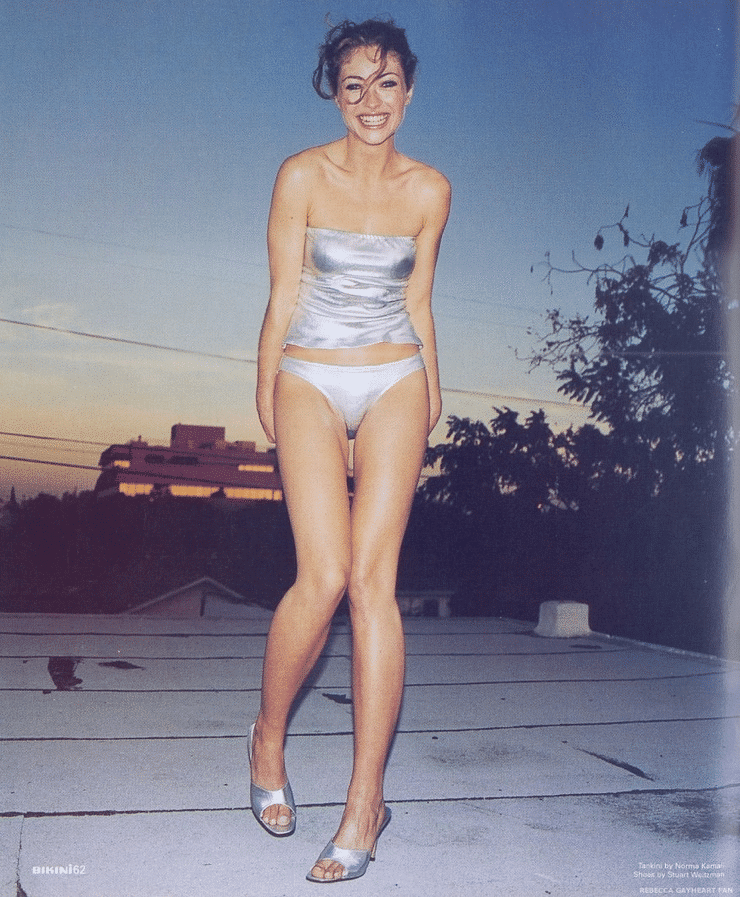
Today, Rebecca lives a more private life in Los Angeles.
She’s stepped away from the constant spotlight, but her influence hasn’t faded.
Fans still remember her. Still revisit her films. Still connect with the roles she brought to life.
That kind of longevity doesn’t happen by chance.
It happens when someone leaves something meaningful behind.
She also supports causes that matter deeply—using her voice to raise awareness and inspire change.
That’s evolution.
Why Rebecca Gayheart Still Matters Today
So why does her story still resonate?
Because it’s not just about fame.
It’s about transformation.
From a small-town girl to a national face. From commercials to cult classics. From public attention to personal growth.
Her journey feels real.
And in a world full of fleeting moments, real is what lasts.
Conclusion: A Legacy Defined by Grace, Strength, and Authenticity
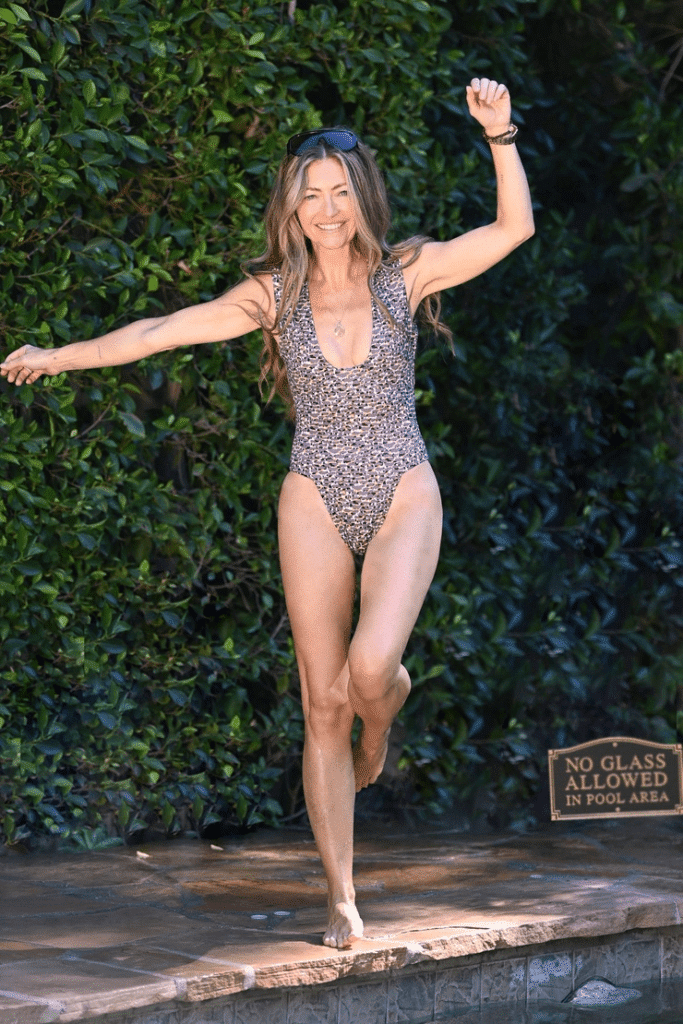
Rebecca Gayheart’s story isn’t just about Hollywood—it’s about becoming.
Becoming confident enough to chase something bigger.
Becoming resilient enough to navigate life’s twists.
Becoming authentic enough to leave a lasting impression.
From her early days in Kentucky to her rise as a defining face of the late ’90s, she proved that true impact isn’t about constant visibility—it’s about meaningful presence.
And even now, her story continues to inspire.
Because some stars don’t fade…
They simply shine in a quieter, deeper way.