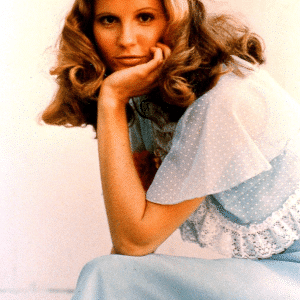
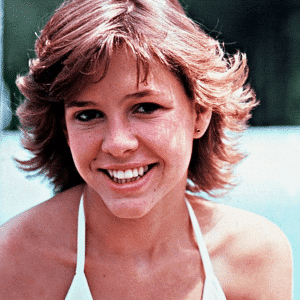
Have you ever come across someone from the past whose energy feels almost electric, even decades later? That’s the effect Laya Raki still has. She wasn’t just another mid-century actress. She was a force — a woman who transformed hardship into glamour and uncertainty into global recognition.
Her journey reads like a cinematic script: born into a circus family, shaped by wartime Europe, reinvented under neon lights, and propelled onto international screens. But this isn’t just a story about fame. It’s about resilience, reinvention, and a woman who refused to let history define her limits.
Let’s step into the world of Laya Raki and uncover how she built a legacy that still flickers like a spotlight long after the curtains closed.
Roots of Resilience: A Childhood Between Circus and Conflict
Born Into Performance
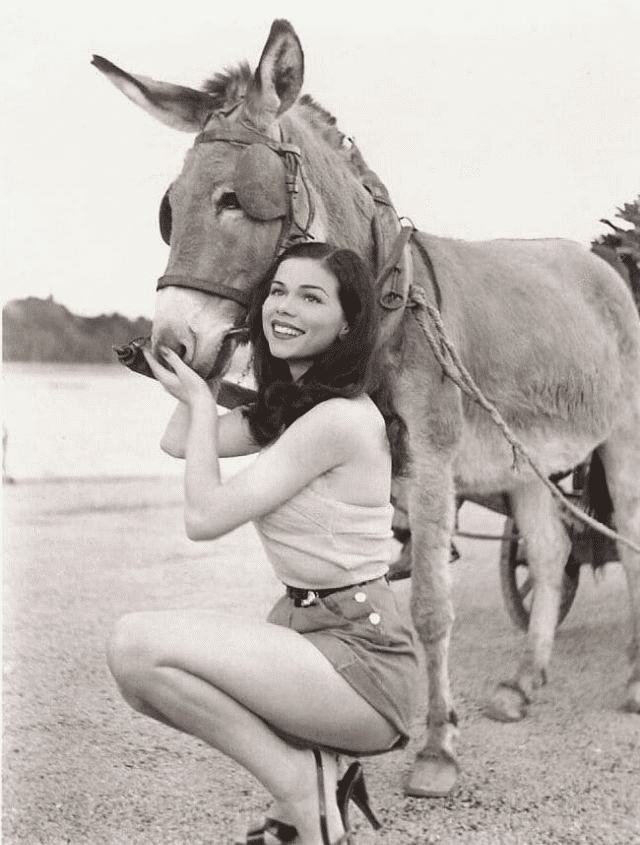
Laya Raki entered the world as Brunhilde Marie Alma Herta Jörns on July 12, 1927, in Hamburg, Germany. Her childhood unfolded under circus tents and stage lights. Her mother, Maria Althoff, was an acrobat of Javanese heritage. Her father, Wilhelm Jörns, entertained audiences as a clown.
On paper, it sounds whimsical — laughter, applause, dazzling costumes. But life behind the curtain wasn’t always magical. When Brunhilde was only five, her mother disappeared from her life, leaving behind emotional shadows no spotlight could soften.
Growing Up During Wartime Europe
As Europe edged toward World War II, stability became fragile. Cities trembled. Futures felt uncertain. For young Brunhilde, survival required grit.
And yet, amid the chaos, she held tightly to one dream: the stage.
Performance became her escape hatch. While the world fractured around her, she found purpose in movement, rhythm, and expression. At seventeen, she stepped into Berlin’s Monte Carlo club, shedding her birth name and stepping into a new identity.
Inspired by the dancer La Jana and captivated by the bold spirit associated with raki, she renamed herself Laya Raki — a name that sounded strong, mysterious, unforgettable.
She didn’t just change her name. She rewrote her story.
The Birth of a Stage Sensation
Commanding the Spotlight
Her early performances were daring and controversial for the time. She mastered striptease routines that demanded precision and control. But what truly set her apart wasn’t just movement — it was presence.
She had that rare ability to command silence. When she stepped onto a stage, conversations stopped. Eyes locked in. The room leaned closer.
Charisma isn’t taught. It’s forged. And Laya Raki’s charisma burned bright.
From Nightclubs to Pin-Up Fame
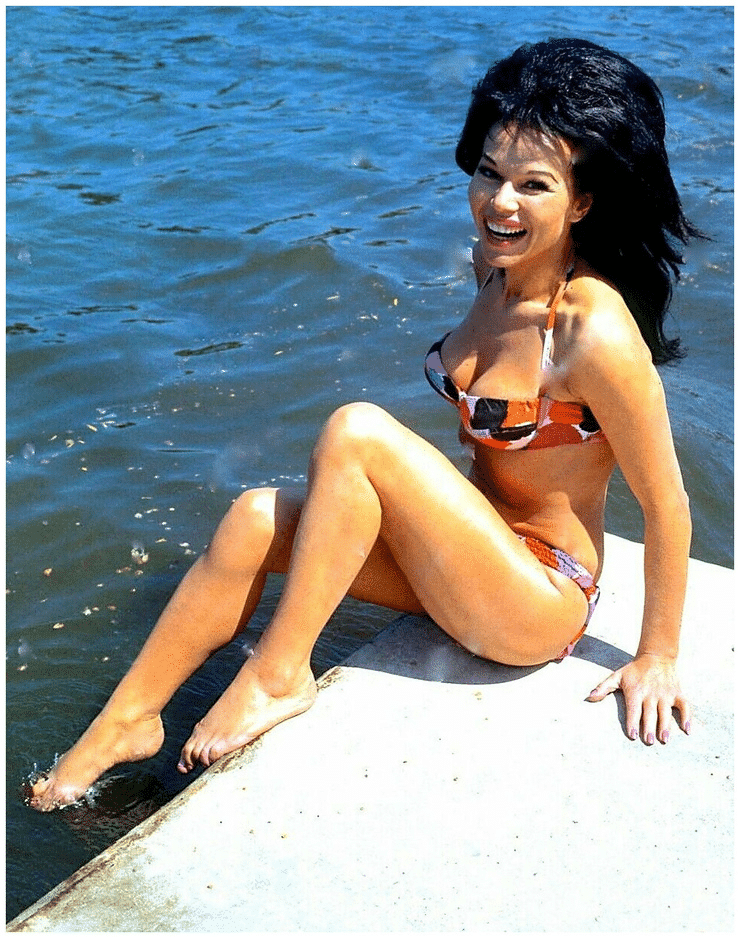
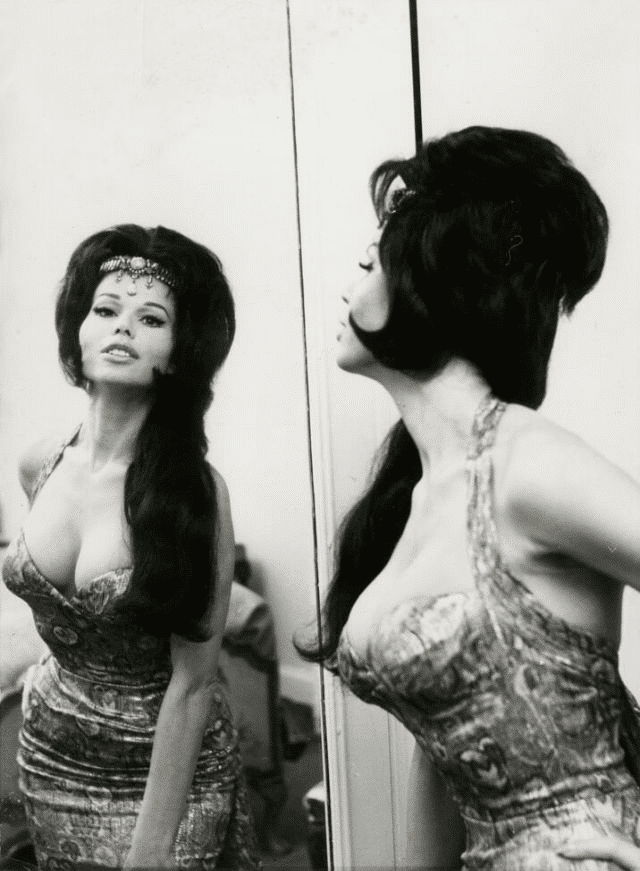
By the late 1940s, her modeling career surged. Pin-up photographs of Laya Raki spread across Europe like wildfire. Her raven-black hair, hypnotic eyes, and sculpted dancer’s frame made her instantly recognizable.
She wasn’t merely photographed; she was immortalized.
Her image symbolized confidence during a time when Europe was rebuilding. In a continent searching for renewal, Laya Raki embodied bold femininity and forward momentum.
From Stage Heat to Silver Screen Stardom
Breaking Into Film
In 1950, she made her cinematic debut in Der Rat der Götter (The Council of the Gods). It was her entry into a new world — one where cameras replaced stage lights.
But it was Die Dritte von rechts (The Third from the Right) that truly turned heads. Her dance sequence ignited debate and fascination. Newspapers buzzed. Audiences lined up. Directors took notice.
She had crossed the bridge from nightclub sensation to film actress.
A Distinctive Screen Persona
Throughout the 1950s, she appeared in German films such as Schlag auf Schlag, Hallo, Fräulein!, and Anuschka. Her performances blended strength with emotion. She wasn’t a one-note figure. She brought nuance to every role.
Think of her screen presence as fire wrapped in silk — controlled yet intense.
And Germany couldn’t get enough.
Crossing Borders: Laya Raki Goes International
Conquering the United Kingdom
The mid-1950s opened new doors. Laya Raki traveled to the United Kingdom and appeared in Quentin Durward, sharing the screen with Robert Taylor. Playing a fiery gypsy character, she infused the film with energy that critics couldn’t ignore.
Suddenly, she wasn’t just a German film star. She was an international performer.
Hollywood and American Television
Her journey didn’t stop there. She entered the American entertainment scene with appearances in television series such as I Spy and Hawaiian Eye.
Each role reinforced her signature style: mysterious, magnetic, impossible to overlook.
Hollywood often molds performers into predictable archetypes. Laya Raki resisted that mold. She brought individuality to every character — whether dancer, stranger, or femme figure with secrets beneath the surface.
She wasn’t imitating anyone. She was unmistakably herself.
Headlines, Glamour, and Cultural Impact
The Berlin Film Festival Moment
Fame in the 1950s came with intense media scrutiny. During the 1961 Berlin Film Festival, a wardrobe mishap during a high-profile event sparked international headlines. The moment even overshadowed American star Jayne Mansfield.
But here’s what made Laya Raki different: she handled it with composure. She laughed, adjusted, and moved forward.
Instead of embarrassment, she turned the incident into legend.
That resilience only deepened her mystique.
A Fashion and Media Favorite
Photographers adored her. Designers sought her. Magazines featured her.
She represented post-war glamour — confident, bold, unapologetic. In an era defined by transformation, she stood as a symbol of European sophistication blending seamlessly with global appeal.
Love, Partnership, and Stability
Marriage to Ron Randell
In 1957, Laya Raki married Australian actor Ron Randell in London. Their partnership lasted 48 years — a remarkable achievement in the entertainment world.
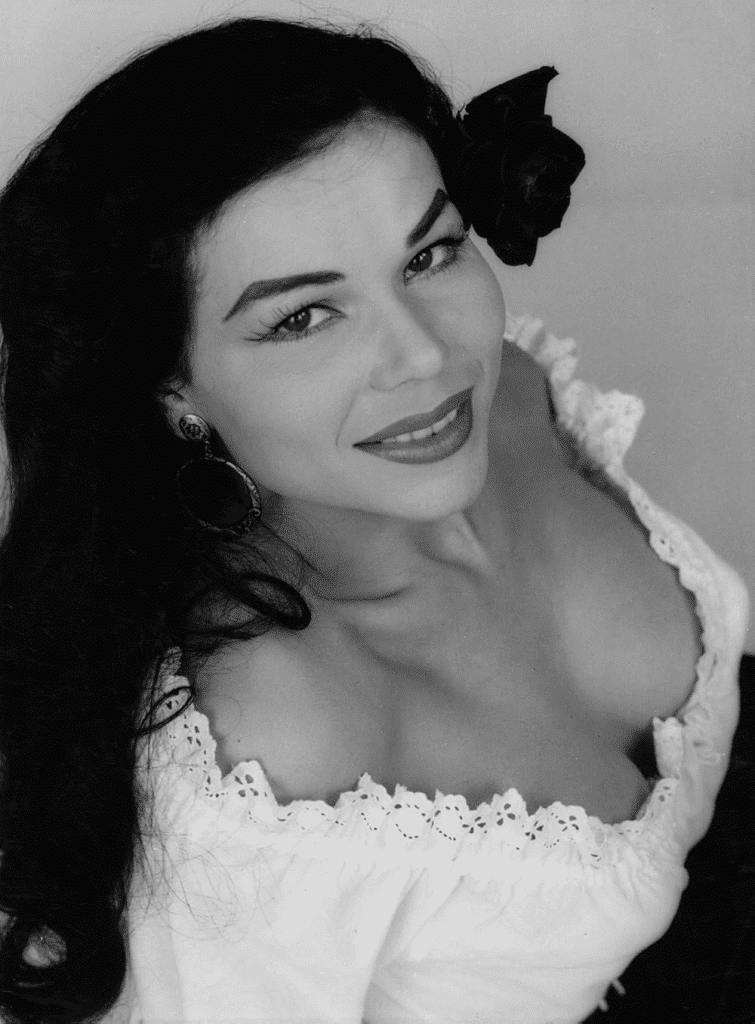
Their life together spanned London, Europe, and eventually Beverly Hills. Amid career highs and constant travel, their relationship became her emotional anchor.
When Ron Randell passed in 2005, she faced a new chapter. Later, she found companionship again with American businessman Duane Wood, choosing a quieter, more private life.
Life Beyond the Spotlight
Unlike many performers who chase visibility endlessly, Laya Raki stepped away from acting in the late 1960s after films such as The Poppy Is Also a Flower.
She didn’t cling to fading fame. She exited on her terms.
That decision speaks volumes about her independence.
A Graceful Legacy That Endures
Laya Raki lived until December 21, 2018, reaching 91 years of age in Beverly Hills. But numbers don’t define her story.
Her legacy lives in restored films, archival photographs, and the collective memory of cinema enthusiasts rediscovering mid-century icons.
She was more than a dancer. More than an actress. More than a model.
She was a symbol of transformation.
Conclusion: Why Laya Raki Still Inspires Today
Laya Raki’s life is proof that reinvention is an art form. Born into instability, shaped by war, and propelled by ambition, she carved a path across continents through sheer determination and undeniable presence.
She showed us that identity isn’t fixed. It evolves. It adapts. It strengthens.
From Hamburg’s circus roots to Hollywood screens, she transformed every stage into an opportunity. And in doing so, she left behind more than films and photographs. She left behind a blueprint for courage.
Laya Raki remains a luminous echo of cinema’s golden era — a woman who turned hardship into spotlight and carved her legacy with grace, fire, and unwavering self-belief.