Close your eyes and picture 1960s Hollywood.
Golden sunlight bouncing off studio lots. Flashbulbs popping. Convertibles gliding down Sunset Boulevard. And in the middle of it all — Sharon Tate. Golden curls. Effortless smile. A presence so warm it felt like summer itself.
She wasn’t just beautiful. She was magnetic.
People often remember her as a symbol of glamour, but that barely scratches the surface. Sharon Tate represented something softer and more powerful — kindness wrapped in ambition, vulnerability paired with quiet strength.
Her story isn’t only about cinema. It’s about resilience, love, artistic promise, and a legacy that continues to echo decades later.
Let’s start at the beginning.
Early Life: A Childhood Shaped by Movement and Adaptability
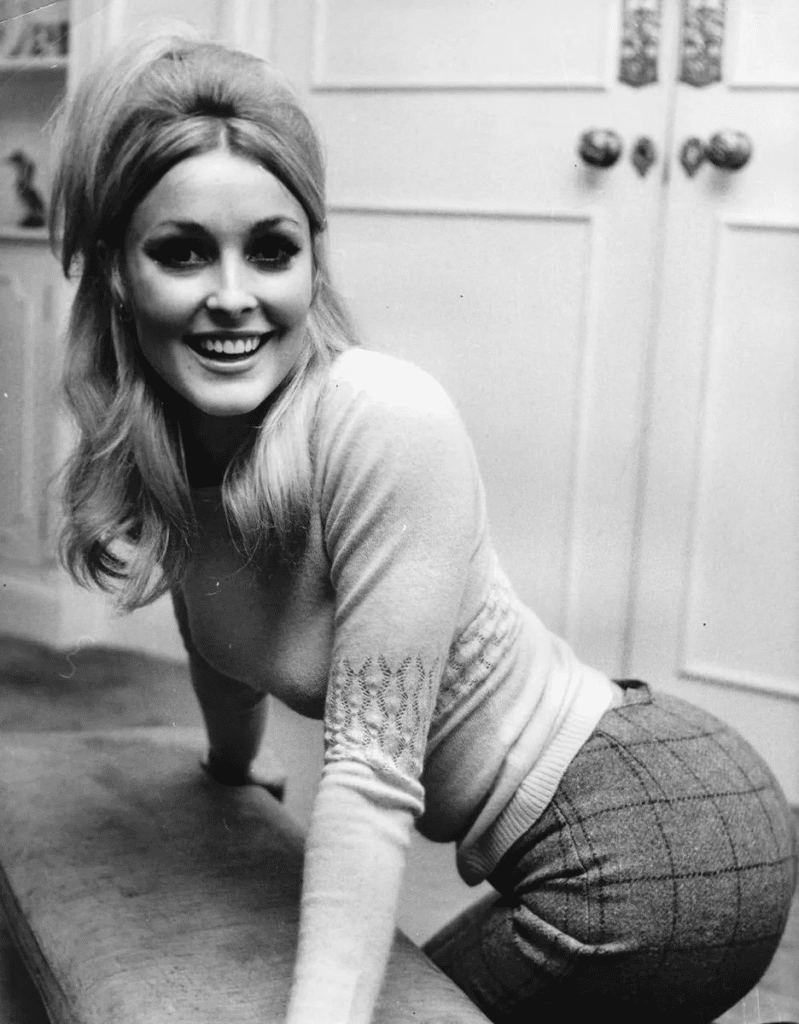
Sharon Marie Tate was born on January 24, 1943, in Dallas, Texas. Her father, Colonel Paul Tate, served in the U.S. Army, which meant frequent relocations. Texas. Washington. Italy. Back again. Constant movement became the rhythm of her childhood.
For some, that kind of instability feels unsettling. For Sharon, it became preparation. Each new city sharpened her adaptability. Each unfamiliar classroom strengthened her social grace.
She learned how to observe. How to connect quickly. How to carry herself with poise even when everything around her changed.
In high school, she began winning beauty titles like Miss Richland and Miss Galaxy. But what stood out wasn’t just her appearance. It was her composure. Her gentleness. That soft-spoken charisma that made people lean in rather than look away.
Those early wins weren’t just pageant trophies. They were stepping stones.
Hollywood was waiting.
From Modeling to Film Sets: The Early Career Grind
Like most rising stars, Sharon didn’t arrive in Hollywood as a headline name. She built her path one opportunity at a time.
Her modeling career took off quickly. Publications like Seventeen magazine featured her as the embodiment of 1960s style — natural, glowing, and effortlessly chic. But Sharon didn’t treat modeling as a destination. She treated it as a bridge.
She landed small film roles in projects such as Barabbas and Hemingway’s Adventures of a Young Man. Even when her roles were brief, she showed up prepared. Directors noticed her professionalism. Co-stars noticed her warmth.
Television soon followed. Guest appearances on series like The Beverly Hillbillies and Petticoat Junction brought her into American living rooms. She wasn’t chasing attention — she was building experience.
Think of it like planting seeds. Quiet work. Steady growth. No shortcuts.
The Breakthrough Years: Hollywood’s Golden Girl Emerges
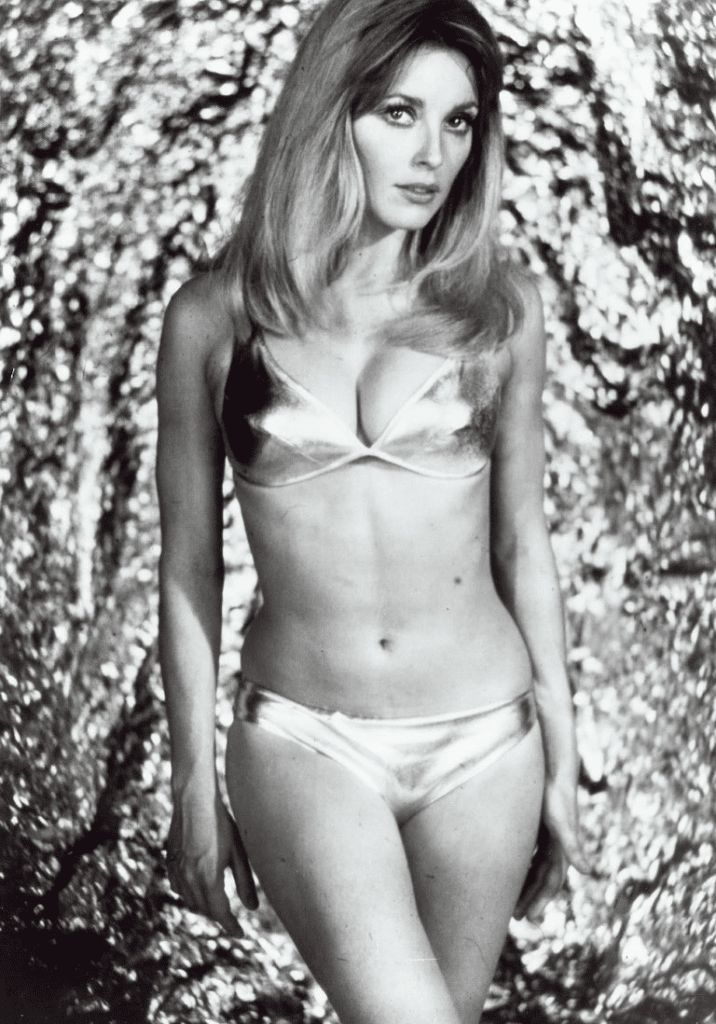
Then came the turning point.
In 1965, Sharon starred in Eye of the Devil, playing Deborah — a mysterious and ethereal character that felt almost tailor-made for her presence. The role introduced her to a broader audience and connected her with director Roman Polanski.
By 1967, her star was rising fast.
In Don’t Make Waves alongside Tony Curtis, she embodied California’s sun-kissed dream. Audiences saw charm and comedic spark. Then came Valley of the Dolls (1967), where she portrayed Jennifer North — a role that resonated deeply.
The film explored ambition, insecurity, and the pressures placed on women in entertainment. Sharon’s performance revealed emotional layers many critics hadn’t expected. She wasn’t just a striking face. She had range. She had nuance.
In 1968, she appeared in The Wrecking Crew with Dean Martin, showing sharp comedic timing and effortless screen presence.
Hollywood saw potential. Audiences saw heart.
She stood at the edge of superstardom — not manufactured, but earned.
Love, Marriage, and Creative Energy
Sharon’s relationship with Roman Polanski became one of the most talked-about partnerships of the late 1960s. They met during Eye of the Devil and married in London in January 1968.
Their dynamic blended glamour with artistry. He was the visionary filmmaker. She was the luminous actress with rising momentum. Friends described Sharon as nurturing, loyal, and optimistic. She supported creative collaboration while pursuing her own ambitions.
By 1969, she was eight and a half months pregnant and preparing to welcome her first child. She spoke excitedly about motherhood and future projects. Acting remained important, but family felt equally meaningful.
For a brief moment, everything aligned — career growth, creative partnership, and personal joy.
And then came a night that altered history.
August 9, 1969: A Turning Point for Hollywood
On the evening of August 9, 1969, Sharon was at home in Los Angeles with friends Jay Sebring, Abigail Folger, Wojciech Frykowski, and Steven Parent. Roman Polanski was in London for work.
That night, members of Charles Manson’s cult invaded the residence. The violence that followed shocked the nation and permanently changed Hollywood’s cultural landscape.
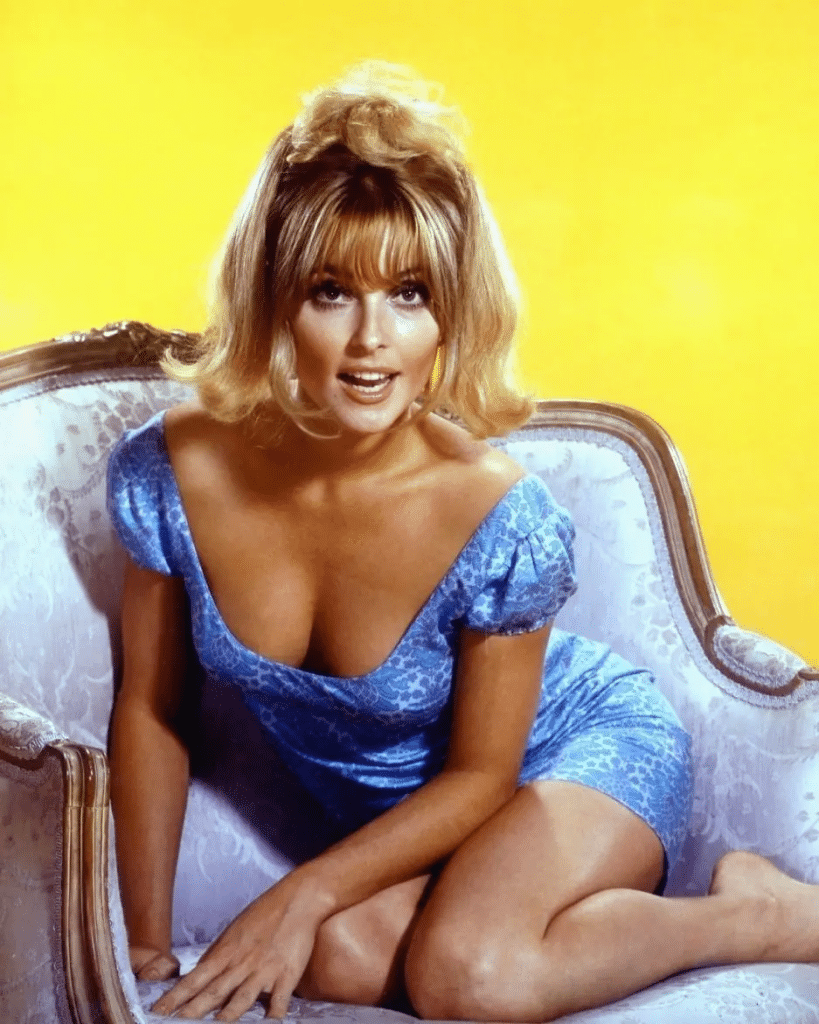
Five lives were lost, including Sharon’s.
The tragedy felt larger than one family. It marked the symbolic end of a carefree Hollywood era. The optimism of the late 1960s dimmed. Innocence felt fractured.
Yet even in the shadow of violence, Sharon’s final moments were remembered for courage and love. She reportedly pleaded for the life of her unborn child, offering herself instead. That act reflected the same compassion that defined her life.
A Legacy Carried Forward: Advocacy and Remembrance
In the years that followed, Sharon Tate’s name became intertwined with advocacy for victims’ rights.
Her mother, Doris Tate, transformed grief into action. She became a powerful advocate within the justice system, helping to pioneer stronger protections for victims’ families. Sharon’s sisters, Debra and Patti, continued that mission.
Their work ensured that Sharon’s memory would not be reduced to a headline.
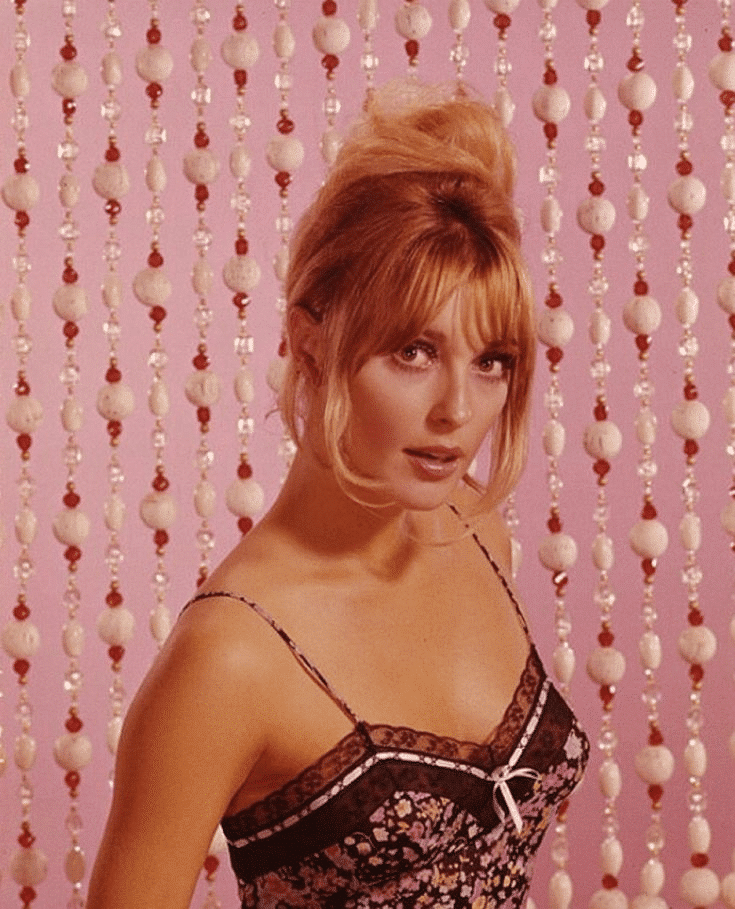
Roman Polanski later dedicated his film Tess to Sharon — a quiet tribute layered with personal meaning. Books and documentaries revisited her life, attempting to capture who she truly was beyond the tragedy.
In 2019, Quentin Tarantino’s Once Upon a Time in Hollywood portrayed Sharon with tenderness. Margot Robbie’s performance focused on her joy, laughter, and innocence — not just the violence that ended her life.
That shift mattered.
Because Sharon Tate deserves to be remembered for how she lived.
The Eternal Glow of Sharon Tate
More than fifty years later, Sharon Tate remains an enduring symbol of 1960s Hollywood elegance. But she also represents something deeper — ambition balanced by humility, vulnerability paired with resilience.
She was a daughter. A wife. An artist. A woman on the brink of a flourishing career.
Her photographs still shimmer with warmth. Her films capture a natural ease that feels timeless. Her interviews reveal kindness and sincerity.
Yes, her story contains profound loss. But it also contains light.
And light, once seen, doesn’t simply disappear.
Conclusion: More Than a Tragedy, A Legacy of Grace
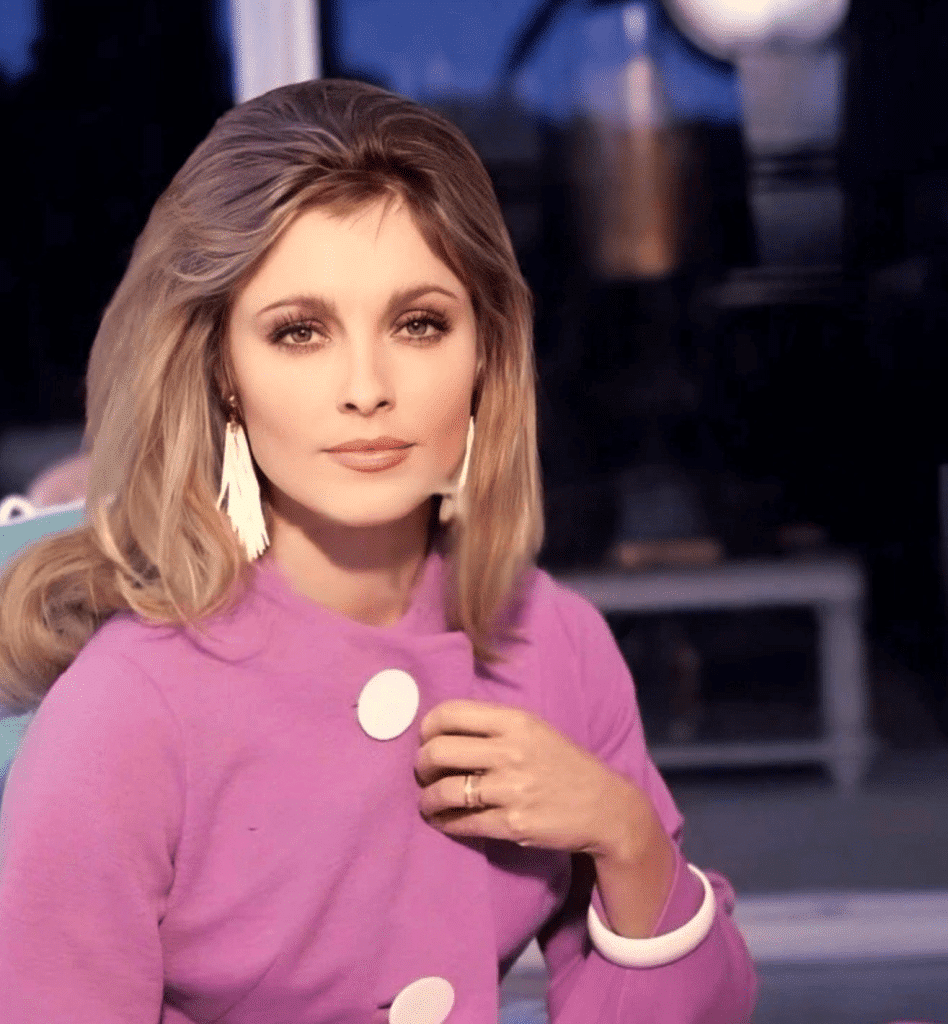
Sharon Tate’s life tells a story of promise, perseverance, and artistic evolution. From a childhood shaped by constant relocation to beauty pageants, modeling success, and breakthrough film roles, she built her career with discipline and grace. Her performances in Valley of the Dolls, Don’t Make Waves, and The Wrecking Crew showcased talent that hinted at an even brighter future.
Her marriage to Roman Polanski marked a creative chapter filled with hope and anticipation. The events of August 1969 altered Hollywood forever, but they did not erase who she was.
Through advocacy, remembrance, and cultural tributes, Sharon’s spirit endures. She reminds us that while fame can flicker, authenticity leaves a lasting imprint.
When you think of 1960s Hollywood — the glamour, the optimism, the cinematic glow — think of Sharon Tate. Not only for how her story ended, but for how beautifully she lived.