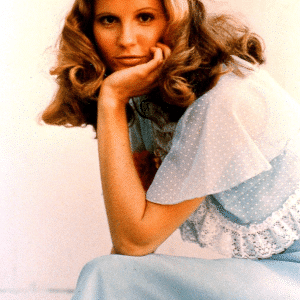
Have you ever discovered an actress who feels untouched by time?
Not frozen. Not dated. Just suspended somewhere between memory and myth.
That’s Soledad Miranda.
Decades after her life was cut short, her screen presence still feels electric. There’s something about her — a blend of vulnerability and quiet power — that refuses to fade. Her story is brief, intense, and unforgettable. Like an art-house film that ends too soon but lingers in your mind for years.
So how did a young woman from Seville rise to become one of European cinema’s most enduring cult icons?
Let’s step into her world.
Seville Beginnings: Art, Struggle, and Early Responsibility
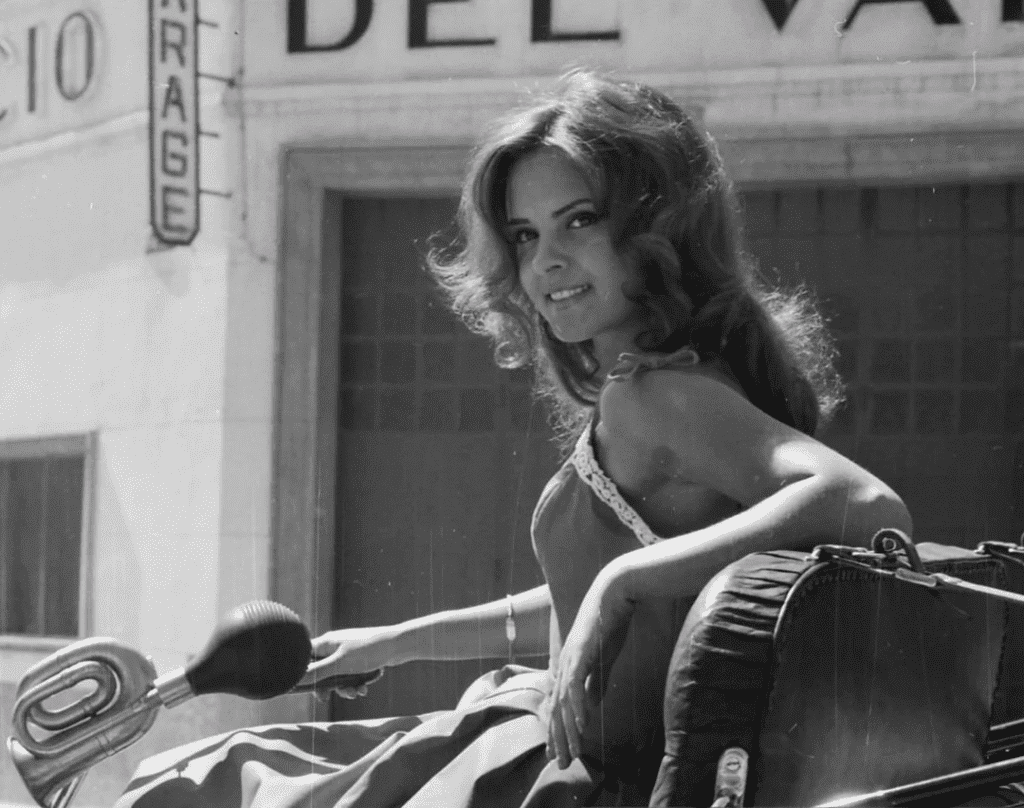
Soledad Miranda was born Soledad Rendón Bueno on July 9, 1943, in Seville, Spain. Post-war Andalusia was not an easy place to grow up, especially as the eldest of six children in a family facing financial hardship.
Responsibility arrived early.
But so did art.
Her roots were deeply creative. With Portuguese ancestry and Roma heritage, and as the niece of renowned flamenco performer Paquita Rico, Soledad grew up surrounded by rhythm, music, and performance. By the age of eight, she was already performing flamenco dance and song at local fairs.
Imagine that — a child stepping onto a stage not out of vanity, but necessity.
Those early performances shaped her discipline. The stage wasn’t intimidating. It was familiar. It was survival. It was expression.
Even then, you could sense something magnetic.
Madrid Dreams and the Birth of “Miranda”
At sixteen, Soledad made a bold decision: she left Seville for Madrid to pursue acting.
Madrid didn’t roll out a red carpet. Auditions came with rejection. Progress moved slowly. But quitting? That was never part of her story.
During this period, she adopted the stage name “Soledad Miranda,” chosen playfully by drawing names from a hat. That casual moment created a name that would later echo across cult cinema circles worldwide.
Her first film appearance came in 1960 with La bella Mimí. It wasn’t a leading role. It wasn’t glamorous. But it was a start.
And in this industry, the first step is everything.
A Versatile Career Across Genres and Borders
Throughout the 1960s, Soledad Miranda worked relentlessly. More than 30 films. Romantic comedies. Historical dramas. Adventure stories. Westerns. Horror.
She refused to be boxed in.
In La familia y uno más, she displayed warmth and charm. In Currito de la Cruz, she stepped into dramatic depth. She explored historical narratives in Ursus and Cervantes. She even appeared in international productions like 100 Rifles alongside Burt Reynolds and Raquel Welch.
That’s range.
She also released pop singles in Spain, merging her musical upbringing with her acting career. She wasn’t chasing quick fame. She was building a foundation.
Think of her career like a mosaic — each project adding a new tile.
Love, Motherhood, and a Conscious Pause
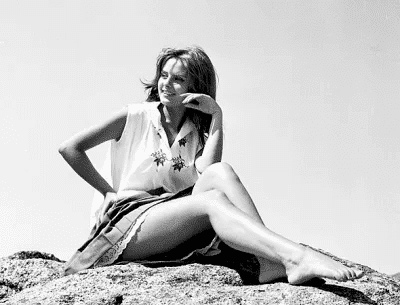
While filming in Portugal, Soledad met race car driver José Manuel Simões. Their connection was swift and genuine. They married in the mid-1960s.
In 1967, she gave birth to their son, Antonio.
Motherhood changed everything.
She stepped away from acting for nearly two years, choosing family life over constant filming. That decision speaks volumes about her character. She wasn’t driven solely by ambition. She was grounded. Intentional.
In an industry that demands continuous visibility, she chose balance.
And when she returned, she returned transformed.
Jess Franco and the Birth of a Cult Legend
In 1969, Soledad Miranda’s career shifted dramatically when director Jess Franco cast her in Count Dracula, starring alongside Christopher Lee and Klaus Kinski.
That collaboration became legendary.
In a single year, she appeared in seven Franco films. Sometimes she used the pseudonym Susann Korda, but her presence remained unmistakable.
Films like Eugenie de Sade, Nightmares Come at Night, The Devil Came from Akasava, and She Killed in Ecstasy revealed her depth and intensity.
Then came Vampyros Lesbos.
Her portrayal of Countess Nadine Carody became iconic. The film’s dreamlike tone, surreal imagery, and hypnotic atmosphere revolved around her energy. She didn’t overpower scenes — she absorbed them.
She was the center of gravity.
At that moment, international stardom was within reach. A major German contract awaited her signature.
Everything seemed aligned.
A Devastating Accident That Stopped Time
On August 18, 1970, while traveling on a Lisbon highway to finalize her new contract, Soledad and her husband were involved in a severe car accident.
He survived with minor injuries.
She did not.
She was 27 years old.
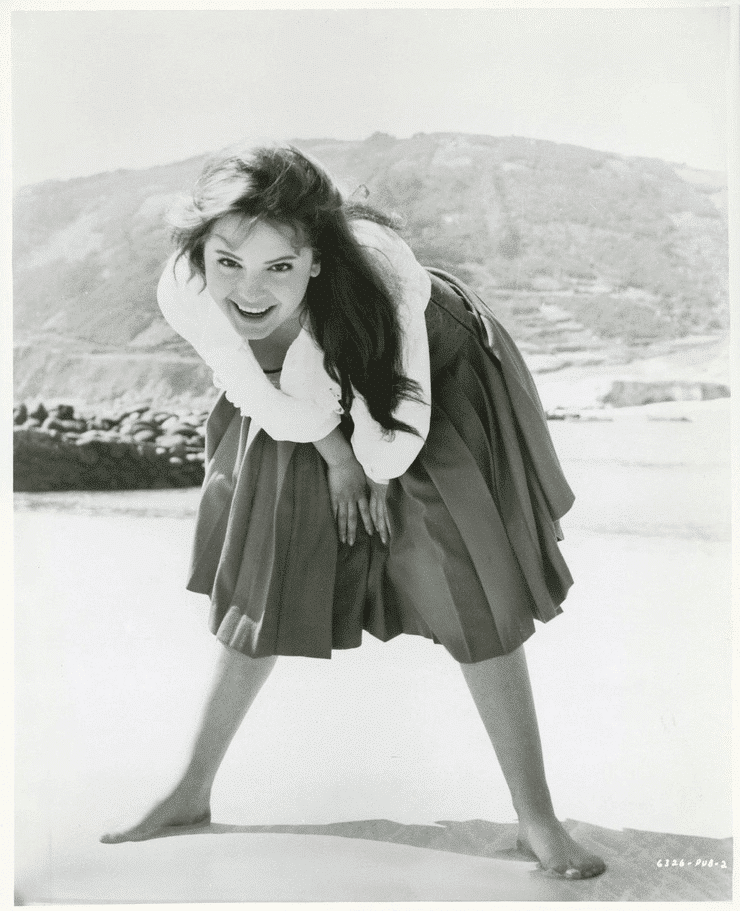
The shock rippled through the film community. Jess Franco abandoned their next planned project. Political tensions between Spain and Portugal complicated her burial arrangements, and she was laid to rest in Lisbon rather than her hometown of Seville.
Her rising trajectory halted in a single instant.
And that abrupt ending became part of her legend.
Rediscovery and the Power of Cult Cinema
For years, her name faded from mainstream discussion. Then came the revival of cult cinema in the 1980s and 1990s.
Home video releases brought Jess Franco’s films to new audiences. Suddenly, viewers rediscovered Soledad Miranda.
And they were mesmerized.
Her performances felt modern. Her presence felt timeless. Film scholars began analyzing her work. Retrospectives celebrated her contributions. Fans debated what her career might have become.
In Seville, a street now carries her name.
Online communities continue to revisit her films, frame by frame.
She became not just a performer, but a symbol — of potential, intensity, and artistic purity.
Why Soledad Miranda Still Captivates Generations
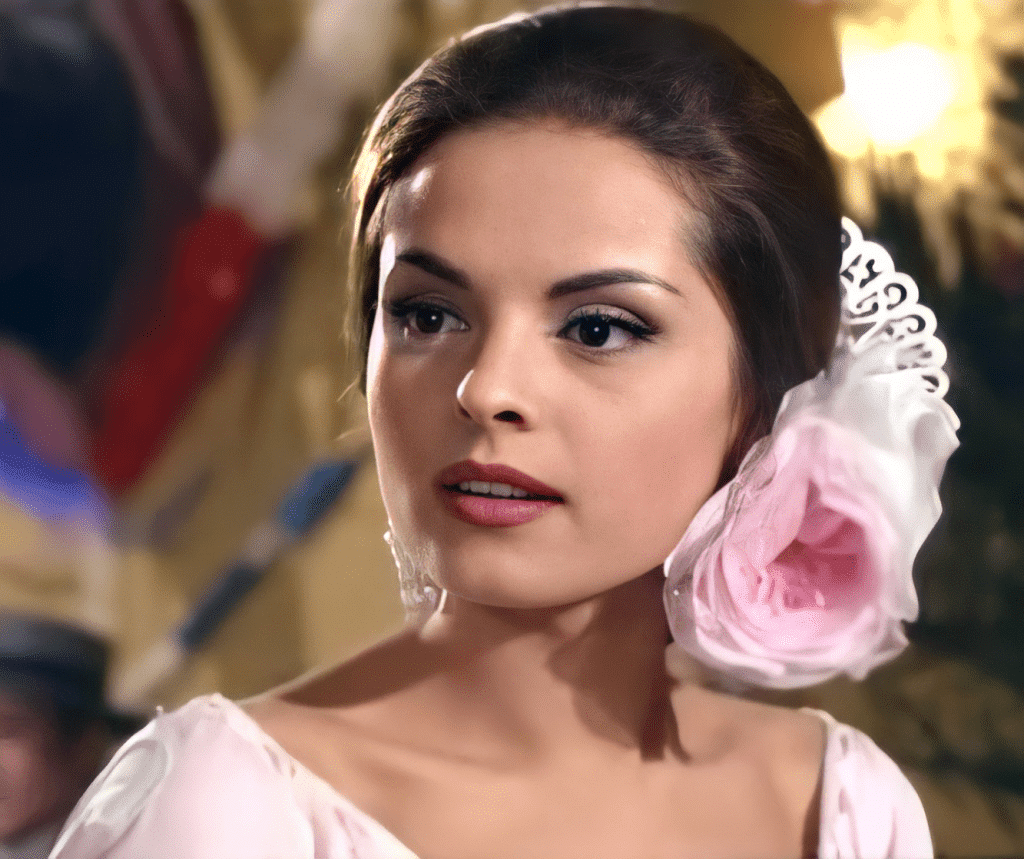
Soledad Miranda represents something rare.
She combined classic beauty with emotional transparency. She navigated multiple genres without losing authenticity. She balanced ambition with personal grounding.
And perhaps most importantly, her story reminds us how fragile opportunity can be.
There’s a haunting quality to her legacy — not because it’s tragic alone, but because it feels unfinished.
Like a book missing its final chapters.
And maybe that’s why she continues to fascinate.
Conclusion: A Legacy That Lives Beyond Time
Soledad Miranda’s journey from a flamenco-performing child in Seville to an international cult cinema icon proves that impact isn’t measured by years alone.
She worked tirelessly across genres. She embraced motherhood without abandoning artistry. She became the unforgettable muse of a defining era in European horror.
Though her life ended at just 27, her presence endures.
In flickering film reels.
In late-night screenings.
In the quiet awe of new viewers discovering her for the first time.
Some performers belong to a decade.
Soledad Miranda belongs to cinema itself.