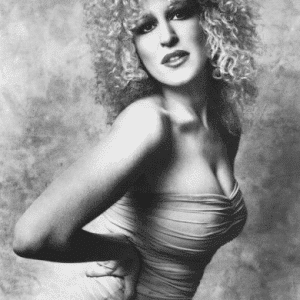
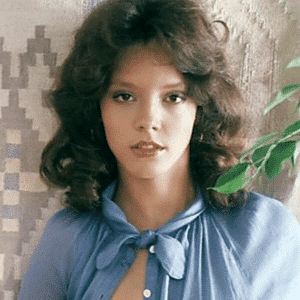
Have you ever come across someone whose life feels like it belongs on screen? Not because it’s perfect—but because it’s layered, emotional, and constantly evolving?
That’s Debora Caprioglio.
She wasn’t just an actress. She was a presence—one that carried elegance, intensity, and a quiet strength that made audiences stop and watch. From the shimmering charm of Venice to the bold choices of Italian cinema, her story feels less like a timeline… and more like a beautifully written script.
And the best part? It didn’t stop at fame. It evolved.
Let’s step into her world.
A Venetian Beginning: Where Beauty Meets Imagination

Growing Up Near Venice’s Timeless Magic
Born in 1968 in Mestre, just outside Venice, Debora Caprioglio grew up surrounded by art, history, and beauty. Imagine waking up in a place where every street feels like a painting. That kind of environment doesn’t just inspire—it shapes you.
From a young age, she carried a natural charm. Not the kind you learn, but the kind people notice instantly. A glance, a smile, a quiet confidence—it was all there early on.
The Moment Everything Changed
At just 17, she entered a national competition designed to discover new faces for cinema. And she didn’t just participate—she won.
That moment was more than a victory. It was a doorway.
Video: Debora Caprioglio CasaVianello Stockings
One day you’re living a quiet life. The next, you’re surrounded by cameras, scripts, and possibilities. For many, that shift would feel overwhelming. For Debora, it felt like stepping into something she was meant for.
Breaking Into Cinema: The Early Roles That Defined Her Path
A Strong Start in International Film
Her debut came in Grandi Cacciatori (1988), where she shared the screen with established international actors. It wasn’t an easy environment—but she held her ground.
Think about that for a second. Starting your career alongside experienced performers is like jumping into deep water without a life jacket. You either sink… or you learn to swim fast.
Debora swam.
Emotion Meets Experience in “Paganini”
Soon after, she took on a role in Paganini (1989), portraying Antonia Bianchi. This wasn’t just another film—it was emotionally intense, especially given her real-life connection with co-star Klaus Kinski.
That blend of personal and professional added depth to her performance. You could feel it. It wasn’t just acting—it was experience translated into art.
The Role That Made Her Unforgettable
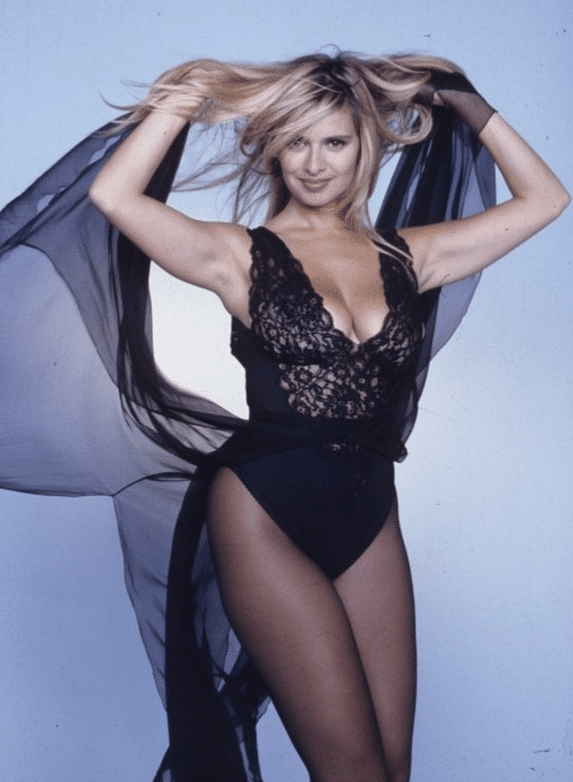
“Paprika” and the Birth of an Icon
Every actor has that one role. The one that defines them.
For Debora Caprioglio, it was Paprika (1991).
Her performance was bold, layered, and emotionally complex. She played a character navigating innocence, curiosity, and self-discovery—and she did it with authenticity that stayed with audiences long after the credits rolled.
Why This Role Still Matters
It wasn’t just about the story. It was about how she told it.
✔ She brought vulnerability and strength together
✔ She made the character feel human, not distant
✔ She turned a challenging role into something deeply relatable
That’s not easy. And that’s why people still remember.
Beyond One Film: A Career Built on Range
Video: Debora Caprioglio in Paprika, cosce da capogiro.
Expanding Into Different Genres
Debora didn’t stay in one lane. She explored.
From films like Hotel Rome to television series such as La Piovra, she showed she could adapt to different tones, characters, and narratives.
Each role added something new to her identity as an actress.
The Power of Authentic Choices
Here’s what made her stand out—she didn’t chase trends. She chose roles that meant something.
Whether she played a strong woman, a conflicted soul, or someone quietly searching for meaning, she always made it feel real.
And audiences can always tell when something is real.
Life Beyond the Screen: Passion, Growth, and Reflection
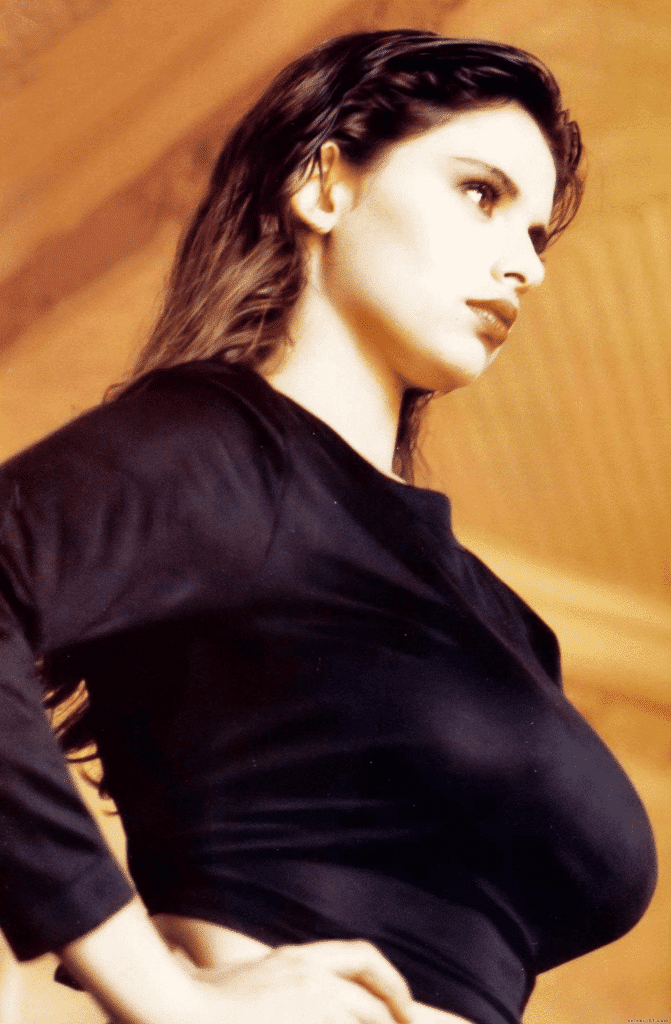
Love, Lessons, and Personal Evolution
Debora’s personal life has been just as layered as her career.
Her early relationship with Klaus Kinski was intense and transformative. It taught her about independence, boundaries, and emotional resilience.
Later, her marriage to Angelo Maresca brought a different kind of partnership—one built on shared creativity and mutual respect. Even after it ended, she spoke about it with maturity and understanding.
Facing Life’s Emotional Moments
Life, of course, brings both light and shadow.
The loss of her mother in 2024 marked a deeply personal chapter. It reminded her of where she came from—and the quiet strength she carries within.
And sometimes, those moments shape us more than any career milestone ever could.
Reinvention: When an Actress Refuses to Stand Still
Stepping Into New Worlds
Debora Caprioglio never allowed herself to be defined by one phase.
In 2007, she joined a reality show—Italy’s version of Celebrity Survivor. It was a completely different environment, far from scripted roles and controlled sets.
And yet, she adapted.
Finding a Home on Stage
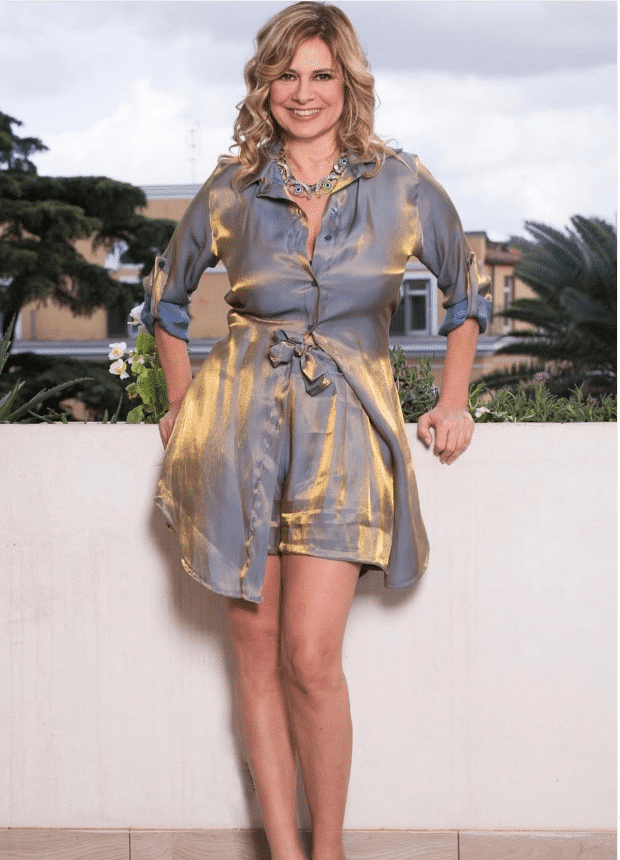
Theater became another outlet for her creativity. Live performances allowed her to connect directly with audiences—no camera, no retakes, just raw, immediate emotion.
It’s like switching from painting to sculpting. Same creativity—different form.
Debora Caprioglio Today: A Life of Balance and Meaning
Choosing Peace Over Noise
Today, Debora lives in the Veneto region, close to her roots. Her life moves at a different pace now—calmer, more intentional.
She spends time reading, reflecting, and engaging in creative projects that truly matter to her.
And honestly? That sounds like success.
Still Connected to Creativity
She hasn’t stepped away from the arts. She continues to work in theater, make selective television appearances, and support meaningful causes.
But now, she chooses carefully.
No pressure. No rush. Just purpose.
Conclusion: A Life Lived Like a Beautiful Film
Debora Caprioglio’s life feels like a film you don’t want to end.
It has everything—dreams, success, challenges, reinvention, and quiet moments of reflection.
From her early rise in Venice to her iconic roles in Italian cinema, and now to a life rooted in peace and meaning, she has shown that true beauty isn’t just about appearance—it’s about authenticity.
And maybe that’s the real reason her story stays with us.
Not because it was perfect.
But because it was real.
And the most powerful stories always are.