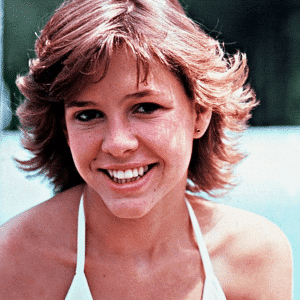
Hollywood careers often burn bright for a moment and then quietly fade into memory. But every now and then, a performer appears who manages to adapt, evolve, and remain relevant decade after decade. Colleen Camp is one of those rare figures.
With a career spanning television, blockbuster films, cult classics, and producing, she has built a reputation for versatility and resilience. From early television appearances to unforgettable roles in iconic movies like Clue and Apocalypse Now, Colleen Camp’s journey is a remarkable story of determination, creativity, and lasting influence.
Let’s explore the fascinating life of a performer who proved that talent, adaptability, and a sense of humor can carry a career across generations.
Early Life: A Creative Spirit in California

Colleen Celeste Camp entered the world on June 7, 1953, in San Francisco, California. Her childhood unfolded in an environment that encouraged curiosity and creativity. Later, her family moved to the San Fernando Valley, where she grew up alongside her brothers, Don and Glen.
From a young age, Colleen displayed a lively personality. She loved performing, entertaining others, and experimenting with creative ideas. It was clear that she possessed the kind of energy that naturally gravitates toward the stage or screen.
Her education reflected this passion. She attended John H. Francis Polytechnic High School and later enrolled at Los Angeles Valley College. Eventually, she continued her studies at California State University, Northridge, majoring in English while also exploring theater arts.
But one of the most unusual chapters of her early life involved performing with exotic birds.
An Unusual Path to the Stage
To support herself during her student years, Colleen trained and performed with macaws at Busch Gardens. Imagine standing before a crowd, guiding colorful birds through routines while spectators watch in amazement. It might sound like something from a travel show, but for Colleen it became an unexpected training ground.
Working with animals requires patience, confidence, and stage presence—skills that would later prove invaluable in front of cameras and audiences.
In many ways, those performances were the first sparks of a long entertainment career.
Breaking Into Television and Film
Colleen Camp began her professional acting career as a teenager. Like many performers starting out, she first appeared in commercials and small television roles.
Gradually, her talent and charm attracted attention from producers casting television shows in the early 1970s.
She appeared in well-known series such as Marcus Welby, M.D. (1973) and later made guest appearances on Happy Days (1975). These roles allowed her to gain valuable experience and build connections in the entertainment industry.
Soon after, she landed a recurring role in the television drama Rich Man, Poor Man—Book II (1976–1977), portraying the character Vicki St. John. The role gave her wider exposure and helped establish her as a recognizable presence on television.
But Colleen Camp was never content to stay in just one corner of the industry.
Early Film Roles and Rising Recognition

Her transition into film began with a small appearance in Battle for the Planet of the Apes (1973). Although the role was modest, it marked the start of her big-screen journey.
The following year brought a more prominent opportunity when she starred as Mary Ann Putnam in The Swinging Cheerleaders (1974). The film allowed her to demonstrate both comedic timing and natural screen charisma.
Throughout the mid-1970s, she continued building momentum. Roles in films such as Funny Lady (1975) and Smile (1975) highlighted her ability to combine charm with comedic skill.
During this period, directors began to recognize something special about her performances. She possessed an easygoing confidence on screen—an ability to shift between humor and drama with surprising ease.
And soon, an even bigger opportunity arrived.
The Late 1970s: A Breakthrough Era
The year 1979 marked an important milestone in Colleen Camp’s career. She appeared in Francis Ford Coppola’s epic war film Apocalypse Now, portraying the character Miss May.
Although some of her scenes were trimmed in the film’s original version, her participation in such a major production elevated her visibility in Hollywood.
Around the same time, she appeared in the television series Dallas, portraying Kristin Shepard during the show’s early years. The role introduced her to a broader television audience and further expanded her acting range.
She also appeared in Game of Death (1978), a martial arts film associated with Bruce Lee’s cinematic legacy. This variety of projects demonstrated her willingness to explore different genres—from drama to action to television storytelling.
By the end of the 1970s, Colleen Camp had firmly established herself as a rising performer in Hollywood.
1980s Success: Comedy, Cult Films, and Memorable Characters
If the 1970s built her reputation, the 1980s truly cemented it.
During this decade, Colleen Camp appeared in several memorable films that showcased her versatility.
She starred in They All Laughed (1981), a romantic comedy that allowed her playful personality to shine. Soon after, she appeared in the thriller The Seduction (1982), demonstrating her ability to move comfortably between genres.
In Valley Girl (1983), she portrayed Sarah Richman, delivering a performance that balanced humor with emotional warmth.
But perhaps her most beloved role arrived in 1985.
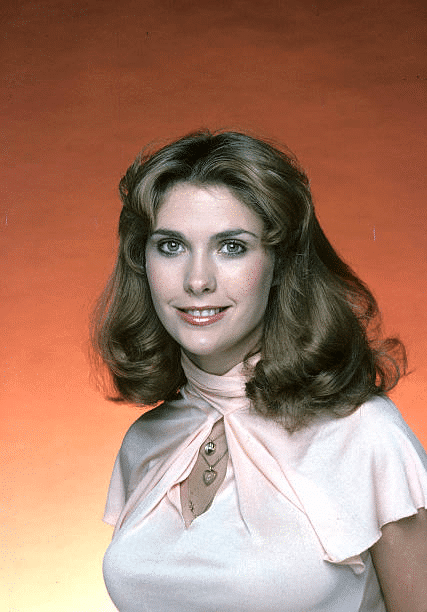
In the mystery-comedy Clue, she played Yvette the Maid—a mischievous character with a playful accent and unforgettable personality. The film later became a cult favorite, and her performance remains one of the highlights that fans still discuss today.
She also appeared in the Police Academy franchise, portraying Sergeant Kathleen Kirkland in Police Academy 2 (1985) and Police Academy 4 (1987).
These roles solidified her reputation as a gifted comedic actress who could bring energy and humor to any scene.
Expanding Her Career in the 1990s and 2000s
Rather than slowing down, Colleen Camp continued exploring new creative opportunities throughout the 1990s.
She appeared in major films including Sliver (1993), Last Action Hero (1993), and Die Hard with a Vengeance (1995). Each project demonstrated her ability to contribute memorable performances even within large ensemble casts.
Her later work included roles in The Ice Storm (1997), Speed 2: Cruise Control (1997), and the satirical drama Election (1999).
Meanwhile, she remained active on television, appearing in popular shows such as Roseanne and later Entourage.
Yet perhaps the most important shift during this period involved what she did behind the camera.
From Actress to Influential Producer

Colleen Camp didn’t limit herself to acting. She also stepped into producing, proving she possessed strong creative instincts beyond performing.
Her producing credits include projects such as An American Rhapsody (2001), along with other film and theater productions.
She also co-produced the Broadway production Love Letters in 2014, bringing her experience and industry connections into the world of live theater.
Through these projects, she helped guide stories from concept to completion, shaping creative decisions and supporting filmmakers.
For many performers, acting alone defines their legacy. For Colleen Camp, producing added another powerful dimension.
Personal Life and Family
Outside the spotlight, Colleen Camp has maintained a fulfilling personal life.
In 1986 she married Paramount executive John Goldwyn. The couple later separated in 2001, but they share a daughter, Emily Goldwyn, who has pursued creative work as both an actress and writer.
Colleen remains active in Los Angeles and enjoys activities that promote balance and wellness. Yoga, hiking, and creative mentoring play a large role in her daily life.
Friends and colleagues often describe her as warm, witty, and generous with advice for younger performers entering the industry.
Colleen Camp Today: Still Thriving in Hollywood

As of 2025, Colleen Camp continues to work actively in both acting and producing. Projects such as The Deliverance (2024), The Trainer (2024), and All Happy Families (2024) demonstrate her continued passion for storytelling.
Her estimated net worth of around $4 million reflects decades of work across film, television, and production.
But numbers alone don’t capture the real story.
What truly defines Colleen Camp is her longevity. In an industry known for constant change, she has managed to adapt, explore new opportunities, and remain creatively engaged.
Conclusion: A Career Built on Talent, Adaptability, and Passion
Colleen Camp’s journey is a powerful example of what it means to build a lasting career in entertainment.
From performing with macaws in front of live audiences to starring in cult classics like Clue, she has embraced every chapter of her professional life with curiosity and determination.
Her ability to move between comedy, drama, television, and producing highlights a rare versatility. And her continued involvement in creative projects shows that passion for storytelling doesn’t fade with time.
More than five decades after her career began, Colleen Camp remains an inspiring figure—proof that adaptability, creativity, and a genuine love for the craft can create a legacy that endures.