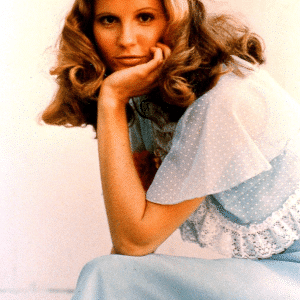
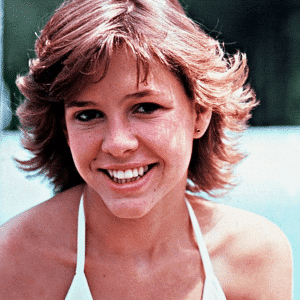
Some stars shine. Others explode. Erica Gavin? She struck like lightning.
You don’t casually forget Erica Gavin. She didn’t glide into Hollywood through polished studio pipelines. She stormed in during one of cinema’s most rebellious eras and helped shape it. Her career reflects a time when films dared to provoke and performers dared to claim their own authority.
From Venice Beach dance floors to cult-film immortality, Erica Gavin’s story isn’t a straight line. It’s a spark that keeps flickering decades later.
Let’s rewind and step into the world that forged her fire.
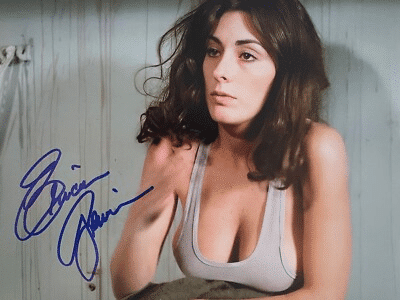
Growing Up in Los Angeles: Close to Fame, Far from Illusion
A Childhood Shaped by Hollywood’s Highs and Lows
Erica Gavin was born Donna Graff on July 22, 1947, in Los Angeles, California. Hollywood wasn’t a distant dream—it was the neighborhood.
Her father worked as an actor, but his career suffered during the blacklist era. That political storm left a lasting impression. Erica grew up seeing both the glow of opportunity and the chill of rejection.
That duality mattered.
She didn’t idolize fame. She studied it. She understood its power and its cost.
Finding Identity in Counterculture California
As a teenager, Erica gravitated toward the creative underground shaping 1960s California. Venice Beach became her classroom. Rock music, freedom, rebellion—this was her atmosphere.
Instead of chasing conventional approval, she leaned into authenticity. And that mindset would soon collide with cinematic history.
From Go-Go Dancer to Screen Presence
Learning Confidence Under Neon Lights
Before she ever faced a camera, Erica Gavin commanded a stage—just not the kind you might expect. She worked as a go-go dancer in nightclubs pulsing with music and movement.
These weren’t polished Hollywood sets. They were raw, loud, and electric.
Night after night, she learned something crucial: how to hold attention. Not by begging for it. By owning it.
That kind of confidence can’t be faked. It’s forged under pressure.
Self-Assurance as Her Superpower
Dance taught her rhythm. Performance taught her presence. But independence? That came from within.
She wasn’t waiting to be discovered. She was already building the woman she wanted to become.
Then destiny knocked—quietly.
The Audition That Sparked a Cultural Moment
Landing the Lead in Vixen! (1968)
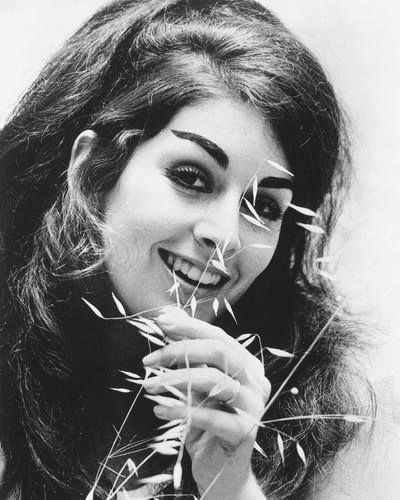
A simple magazine advertisement called for a bold new face for an unconventional film. Erica auditioned without knowing she was about to enter cinematic legend.
She landed the lead role in Vixen! (1968), directed by Russ Meyer. The film shattered expectations and sparked controversy. Audiences debated it. Critics argued over it.
But one thing was clear: Erica Gavin was unforgettable.
Her performance wasn’t ornamental. She infused it with humor, intelligence, and control. She didn’t drift through scenes—she drove them.
Overnight, she became a symbol of liberation and daring storytelling.
Defining the Cult Film Era of the 1970s
Beyond the Valley of the Dolls: Chaos with Control
In 1970, she appeared in Beyond the Valley of the Dolls, a wild, satirical explosion of music and excess. The film became a cult classic, embraced for its bold tone and unapologetic style.
Erica’s performance fit seamlessly into the film’s energy. She anchored the madness with a grounded intensity.
She wasn’t overwhelmed by spectacle. She amplified it.
Caged Heat and Strength on Screen
In 1973, she starred in Caged Heat, portraying a determined, resilient character in a gritty prison drama. The film later gained additional recognition as an early directorial effort by a future award-winning filmmaker.
This role highlighted another dimension of her talent—strength under pressure.
She could portray rebellion, yes. But she could also embody strategy and resolve.
More Than Provocation: Crafting Roles with Intention
It’s easy to reduce boundary-pushing films to shock value. But Erica Gavin approached her work with awareness.
She understood the camera’s power. She understood how audiences interpret image and gesture.
On set, she wasn’t silent. She voiced opinions. She challenged decisions. She advocated for authenticity.
That agency is what separates a performer from a participant.
Her characters weren’t fantasies. They were women with autonomy.
And that distinction continues to resonate today.
Walking Away from Fame
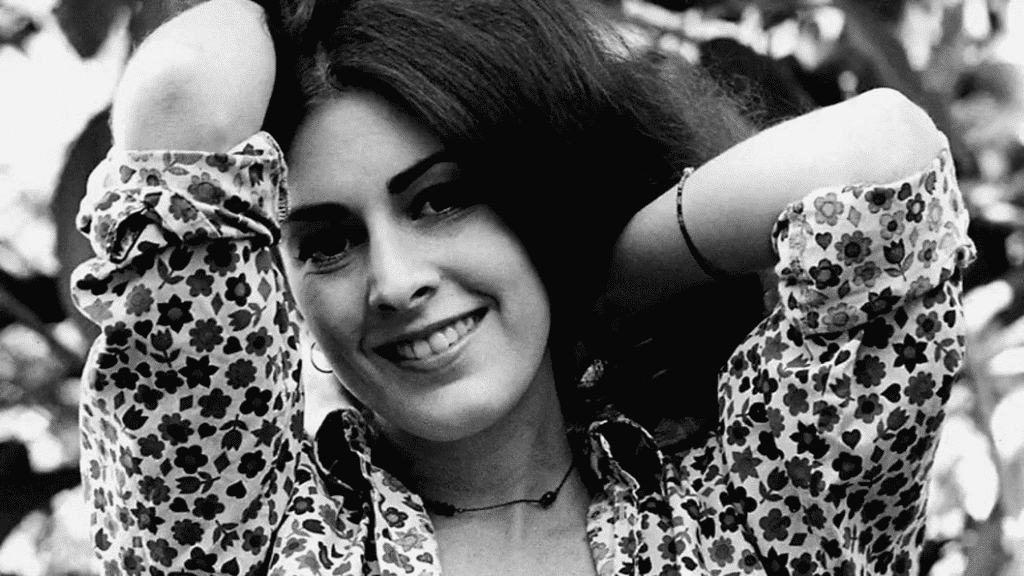
Choosing Reinvention Over Repetition
By the mid-1970s, Erica Gavin made a bold choice: she stepped away from acting at the height of her cult recognition.
Why?
Because she refused to be typecast. She refused to remain in a narrow creative lane.
Instead, she transitioned into fashion, working as a stylist and retail executive at respected high-end stores. Behind the scenes, she built another successful chapter.
No spotlight required.
That decision wasn’t retreat. It was reinvention.
The Power of Privacy
Unlike many contemporaries, Erica avoided nostalgia-driven publicity cycles. She didn’t chase headlines. She didn’t cling to old fame.
She valued privacy. Balance. Growth.
In an industry addicted to constant visibility, she chose quiet evolution.
That silence made her mystique even stronger.
Reclaiming Her Narrative in Modern Times
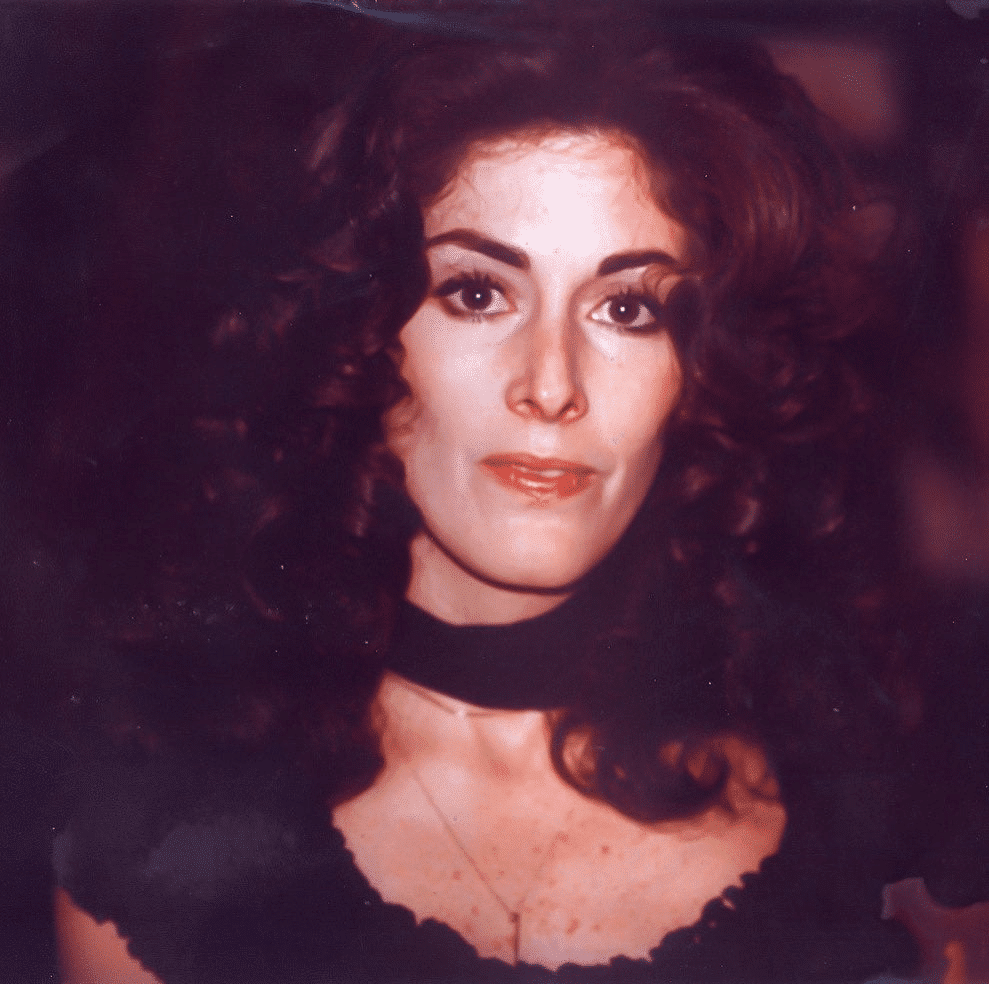
Cult Film Renaissance
In recent years, film retrospectives and revival screenings have reintroduced Erica Gavin to new audiences exploring cult cinema history.
Fans view her performances not just as artifacts of rebellion, but as milestones of on-screen autonomy.
She participates in interviews and public events selectively, speaking candidly about her experiences. Her reflections are sharp, self-aware, and often laced with humor.
A Memoir and Honest Reflection
There’s growing interest in her memoir, where she shares behind-the-scenes insights. It’s not about reliving controversy. It’s about understanding context.
She frames her career as one chapter of a much broader life story.
That perspective adds depth to her legacy.
Conclusion: A Legacy of Risk, Reinvention, and Raw Authenticity
Erica Gavin’s journey feels less like a Hollywood fairy tale and more like a manifesto.
From rebellious Los Angeles dancer to defining face of cult cinema, and later a creative professional thriving outside the spotlight, she demonstrated something powerful: impact doesn’t require endless visibility.
It requires courage.
She challenged rules. She owned her image. And when the time felt right, she walked away on her own terms.
That’s not just star power.
That’s freedom.
And that’s why Erica Gavin remains unforgettable—long after the credits roll.