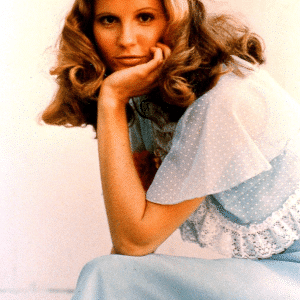
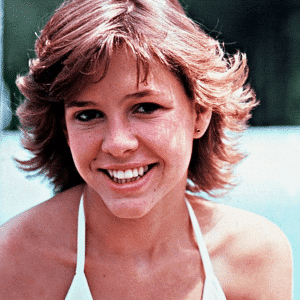
That soft black-and-white image. A half-smile that feels more intimate than any red-carpet pose. You’ve seen her face before—maybe in a thriller that kept you glued to the screen, a smart rom-com, or a cult favorite you didn’t realize you’d rewatched five times. That woman is Bridget Fonda, and her story runs much deeper than famous last names or Hollywood mythology.
There’s something about Bridget that lingers. She never shouted for attention. She never chased headlines. Yet decades later, people still ask about her. That’s not nostalgia talking. That’s impact.
HOLLYWOOD RAN IN THE FAMILY—BUT TALENT DID THE TALKING
BORN INTO CINEMA, BUT NOT DEFINED BY IT
Growing up a Fonda meant being surrounded by film royalty. Her grandfather, Henry Fonda, embodied the golden age of cinema. Her father, Peter Fonda, represented rebellion and counterculture. And her aunt, Jane Fonda, became a force of nature across decades.
Yes, the name opened doors. But staying in the room? That required something else. Bridget earned her place through performances that felt thoughtful, grounded, and emotionally real. She didn’t rely on noise. She relied on nuance.
A PRESENCE THAT FELT NATURAL, NOT PERFORMED
From her earliest roles, Bridget brought a kind of quiet intelligence to the screen. She didn’t overplay emotions. She let moments breathe. Watching her felt like overhearing a private conversation—subtle, honest, and impossible to ignore.
THE ROLES THAT SHAPED THE 1990S
BREAKING THROUGH WITH SMART, BOLD CHOICES
Bridget’s rise wasn’t overnight. She appeared in early projects like Scandal and Shag, slowly building momentum. Then came the role that changed everything: Single White Female.
As Allie, she delivered a performance that balanced vulnerability with strength. She wasn’t just reacting to chaos around her—she grounded the story emotionally. Audiences connected with her because she felt real, not manufactured.
EFFORTLESSLY MOVING BETWEEN GENRES
Then she flipped expectations again in Point of No Return, playing a trained operative with depth and inner conflict. She followed that with Jackie Brown, where her cool, understated performance proved she could hold her own in an ensemble packed with strong personalities.
Comedy, suspense, action—Bridget moved between genres like water flowing into different shapes. Always natural. Always believable.
A STYLE ICON WITHOUT EVER TRYING TO BE ONE
MINIMAL, TIMELESS, AND UNFORCED
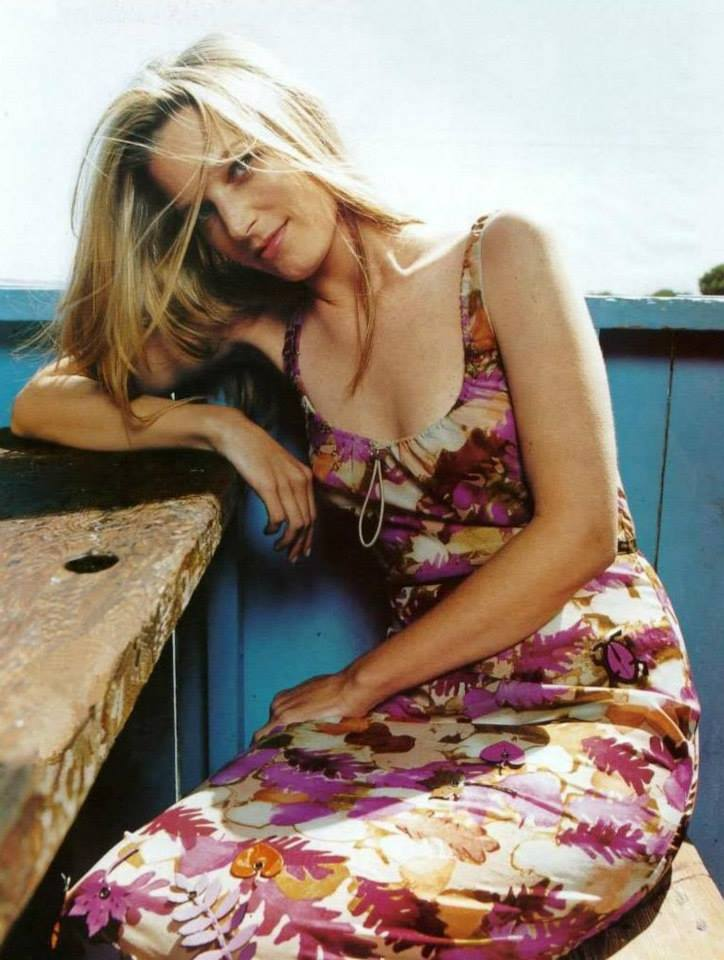
In the 1990s, long before social media dictated trends, Bridget became a quiet fashion reference point. Her red-carpet style leaned toward clean lines, soft silhouettes, and understated elegance. Nothing felt forced. Nothing screamed for attention.
Think Audrey Hepburn restraint mixed with laid-back California ease. She didn’t dress to dominate headlines—yet people noticed anyway.
CHARM IN THE DETAILS
Even off-screen, there was a calm confidence about her. No excess. No performance. Just presence. And sometimes, that’s the most powerful style of all.
STEPPING AWAY AT THE HEIGHT OF HER CAREER
CHOOSING LIFE OVER SPOTLIGHT
Then, something rare happened. At a time when her career momentum was strong, Bridget chose to step away. After a serious car accident in the early 2000s and her marriage to Danny Elfman, she made a deliberate decision to leave Hollywood behind.
No dramatic farewell. No press tour. Just a quiet exit.
WHY THAT DECISION STILL RESONATES
In an industry built on visibility, choosing privacy is almost radical. Bridget didn’t fade away—she redirected her life. She chose family, calm, and a slower rhythm. That decision only deepened the respect people had for her.
It’s like watching a brilliant musician walk off stage at the perfect note. You don’t feel cheated. You feel impressed.
A LEGACY BUILT ON QUALITY, NOT QUANTITY
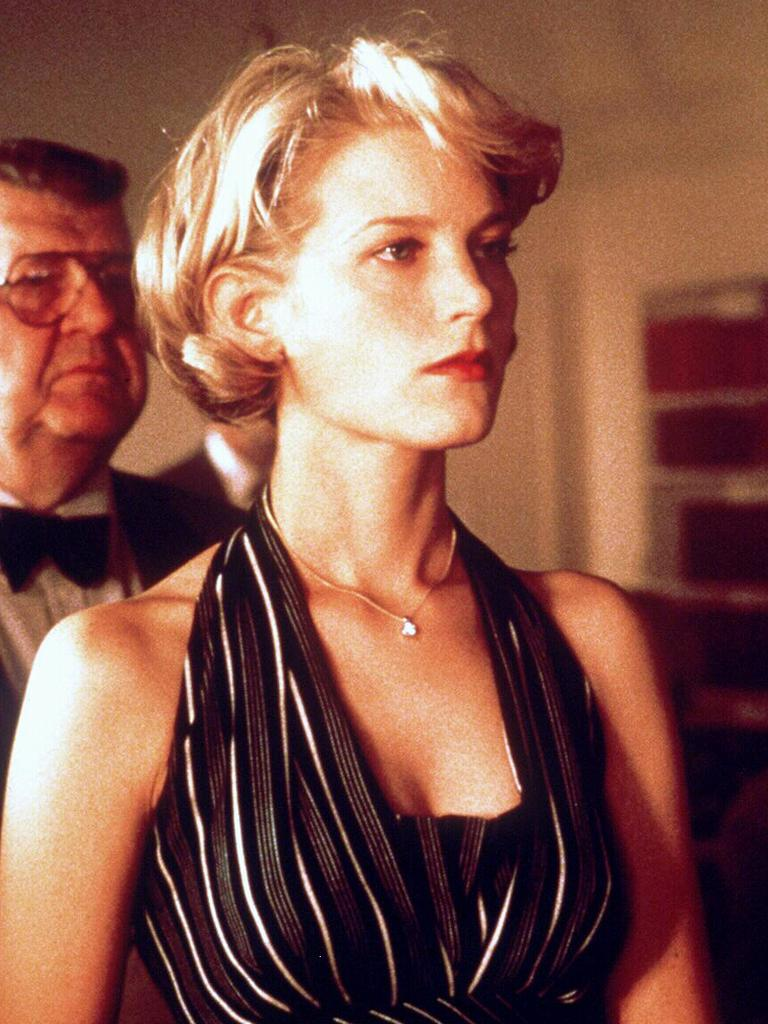
LESS WORK, MORE IMPACT
Bridget Fonda doesn’t have the longest résumé in Hollywood, but she has one of the most memorable. Her characters felt lived-in. Her performances felt intentional. She never played roles just to stay visible.
That restraint gave her work weight.
WHY HER NAME STILL CARRIES POWER
Years after stepping away, her name still sparks curiosity. A rare photo circulates online. A clip resurfaces. And suddenly, everyone remembers why she mattered. That’s not about hype. That’s about connection.
THE INTERNET STILL CAN’T LET GO—AND FOR GOOD REASON
NOSTALGIA MIXED WITH RESPECT
Every so often, Bridget Fonda trends again. People ask the same questions: Where did she go? Why did she leave? Could she ever return?
The fascination isn’t rooted in gossip. It’s rooted in admiration. She represented a kind of stardom that feels rare today—talented, private, and grounded.
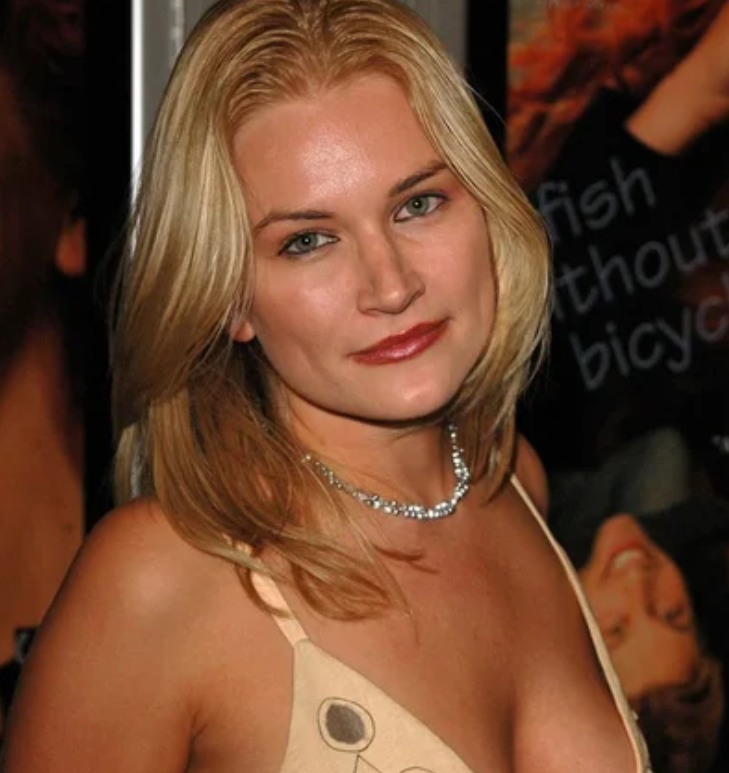
A BEAUTY OF PRESENCE, NOT PERFECTION
Bridget’s appeal was never about chasing an ideal. It was about authenticity. She made audiences feel something without spelling everything out. That kind of magic doesn’t disappear. It stays with you.
CONCLUSION: BRIDGET FONDA ISN’T A MEMORY—SHE’S A MEASURE OF TIMELESS IMPACT
That black-and-white photo captures it perfectly. Mystery. Warmth. Strength in stillness. Bridget Fonda didn’t dominate Hollywood by being loud. She did it by being real.
She proved that you don’t need constant visibility to matter. You don’t need endless roles to leave a mark. Sometimes, choosing when to step away is the most powerful move of all.
Bridget Fonda didn’t just define a moment in cinema history. She showed us that lasting impact comes from integrity, intention, and knowing exactly who you are—even when the spotlight fades