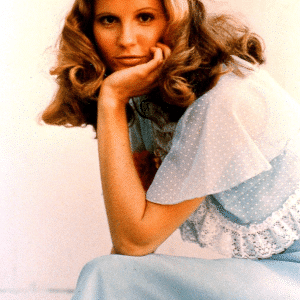
When you rewind the clock to Britain’s bold, rule-breaking mid-century art scene, one name glows with quiet fire: Pamela Green. She wasn’t just a model. She wasn’t just an artist. She wasn’t just a performer. She was a creative architect who helped reshape how society viewed the human form, visual storytelling, and artistic independence.
What made her different? She didn’t wait for permission. She built her own stage.
From post-war studios to Soho’s buzzing creative heart, Pamela Green transformed personal expression into a movement. Her legacy still hums through photography, cinema, and modern visual culture. Let’s step into her story.
Early Life: Art, Europe, and Wartime Resilience
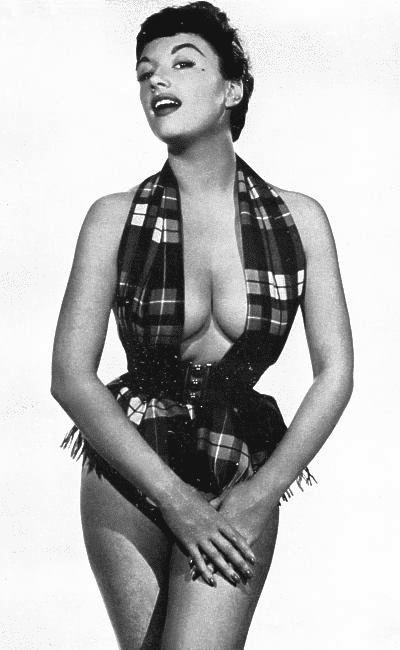
Born Phyllis Pamela Green on March 28, 1929, she grew up between England and the Netherlands. Her father was an English architect. Her mother was Dutch. Creativity wasn’t an extracurricular activity in her home—it was oxygen.
Imagine a childhood filled with sketchbooks, European skylines, and wide imaginative space. That early exposure planted seeds that would later bloom into artistic boldness.
War, Relocation, and Strength
As World War II approached, her family moved to Surrey, England. Life shifted from open European calm to ration books and air-raid sirens. But instead of shrinking under pressure, Pamela sharpened her focus.
Adversity didn’t silence her. It refined her.
By 1947, she secured a place at London’s prestigious St. Martin’s School of Art. But like many young artists, she needed income. That’s when she stepped into an unexpected world—life modeling.
From Art Student to Life Model: Confidence in Form
Life modeling wasn’t just a side job. It became a masterclass in confidence and composition. Standing still while artists sketched every curve and line required vulnerability—and control.
Pamela discovered something powerful: the human form could be art, not spectacle. It could be expressive, dignified, intentional.
That insight would define her career.
Finding Her Artistic Identity
Modeling introduced her to photographers, painters, and creative minds hungry for fresh energy. She didn’t approach modeling passively. She treated it like performance art.
Every pose carried meaning. Every expression told a story.
She wasn’t simply being seen—she was shaping what viewers saw.
Post-War London: Stepping Into the Spotlight
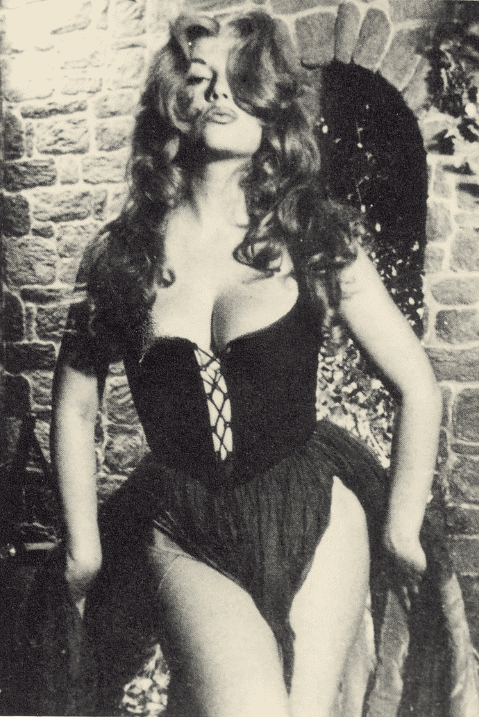
As London reawakened in the late 1940s and early 1950s, Pamela Green became a muse for photographers seeking elegance and individuality. She appeared in publications that celebrated artistic imagery rather than sensationalism.
What made her stand out? Intention.
She approached the camera like a painter approaches canvas—aware of angles, lighting, and narrative. She blended grace with boldness in a way that felt fresh for post-war Britain.
The West End and Performance Art
Pamela’s talents expanded beyond still photography. She performed in West End revues, blending dance, fantasy, and carefully staged living-tableau art.
Her stage presence radiated control and creativity. She wasn’t merely part of productions—she elevated them.
And that momentum carried her to the next defining chapter.
Soho Innovation: The Kamera Era and Creative Entrepreneurship
In the early 1950s, Pamela partnered with photographer and filmmaker George Harrison Marks. Their collaboration became one of Britain’s most influential creative partnerships of the time.
Together, they built a Soho studio that became a hub of innovation.
But here’s the key: Pamela wasn’t just in front of the lens. She was behind the scenes—designing sets, creating costumes, scouting talent, shaping visual identity.
She wasn’t a muse alone. She was a co-creator.
Kamera Magazine and the Alter Ego “Rita Landré”
In 1957, they launched Kamera, a publication that blended elegance, lighting artistry, and narrative photography. It became an instant success.
Pamela even crafted a red-haired alter ego, “Rita Landré,” allowing her to explore different aesthetics and creative personas. It was branding before branding was fashionable.
Kamera didn’t rely on shock. It relied on composition, imagination, and artistic atmosphere.
Modern photographers still reference its visual style.
That’s influence.
Breaking Into Film: Peeping Tom and Cinematic Impact
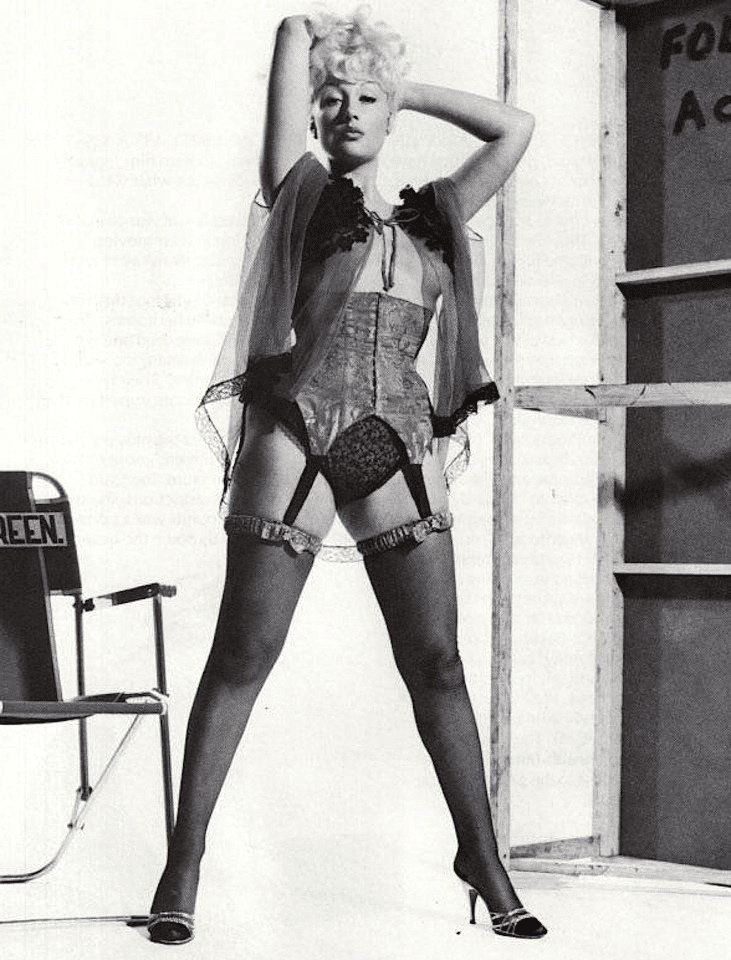
In 1960, Pamela appeared in Michael Powell’s psychological thriller Peeping Tom. Her performance carried tension and stillness that left a lasting impression.
Even in limited screen time, she commanded attention.
Film critics later acknowledged how her presence contributed to the film’s haunting atmosphere. It was another example of her ability to elevate any creative space she entered.
Later Collaborations and Artistic Direction
Pamela continued working in film and photography through the 1960s and 1970s, often collaborating with photographer Douglas Webb. She contributed behind the camera as well, applying her understanding of lighting and composition.
She wasn’t confined to one lane.
She expanded the map.
Life Beyond the Spotlight: A Shift Toward Peace
Marriage and Isle of Wight Years
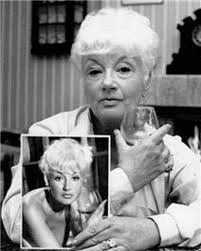
In 1967, Pamela married Douglas Webb. Together, they built a life rooted in collaboration and calm. They eventually settled on the Isle of Wight, stepping away from Soho’s buzz.
There, she painted, wrote, and engaged with local communities. She preserved archives and participated in interviews that documented Britain’s mid-century creative shift.
She didn’t cling to fame. She transitioned gracefully.
Preserving a Creative Legacy
Collectors and historians continued to celebrate her contributions. Film enthusiasts revisited her work. Art lovers studied her influence.
Even as she moved into quieter years, her name remained woven into Britain’s cultural fabric.
Pamela Green left this world in 2010 at the age of 81, but her creative imprint never faded.
Conclusion: Courage, Creativity, and Cultural Transformation
Pamela Green’s life was not simply a chapter in British art history—it was a turning point. From her artistic childhood in Europe to Soho’s vibrant studios, from life modeling to film appearances, she consistently chose originality over conformity.
She stood at the intersection of performance, photography, and entrepreneurship and built something enduring. Her story reminds us that art isn’t just about being seen—it’s about shaping perception.
Pamela Green proved that creativity, when fueled by courage and intention, doesn’t fade with time. It evolves. It inspires. It echoes.
And her echo still resonates today.