When you think about classic German entertainment—the kind that feels rich, layered, and alive—one name rises effortlessly above the rest: Ellen Schwiers.
She wasn’t simply an actress stepping onto a stage. She was an atmosphere. A pulse. A shift in energy that you could feel the second she entered a room. Whether under the golden warmth of theater lights or framed by the sharp focus of a film camera, Ellen Schwiers didn’t just perform. She transformed space.
And here’s the thing—longevity in the arts isn’t luck. It’s proof. A career stretching across seven decades doesn’t happen by accident. It happens because the audience keeps coming back. Because the work matters.
So what made Ellen Schwiers unforgettable? It wasn’t fame. It was feeling.
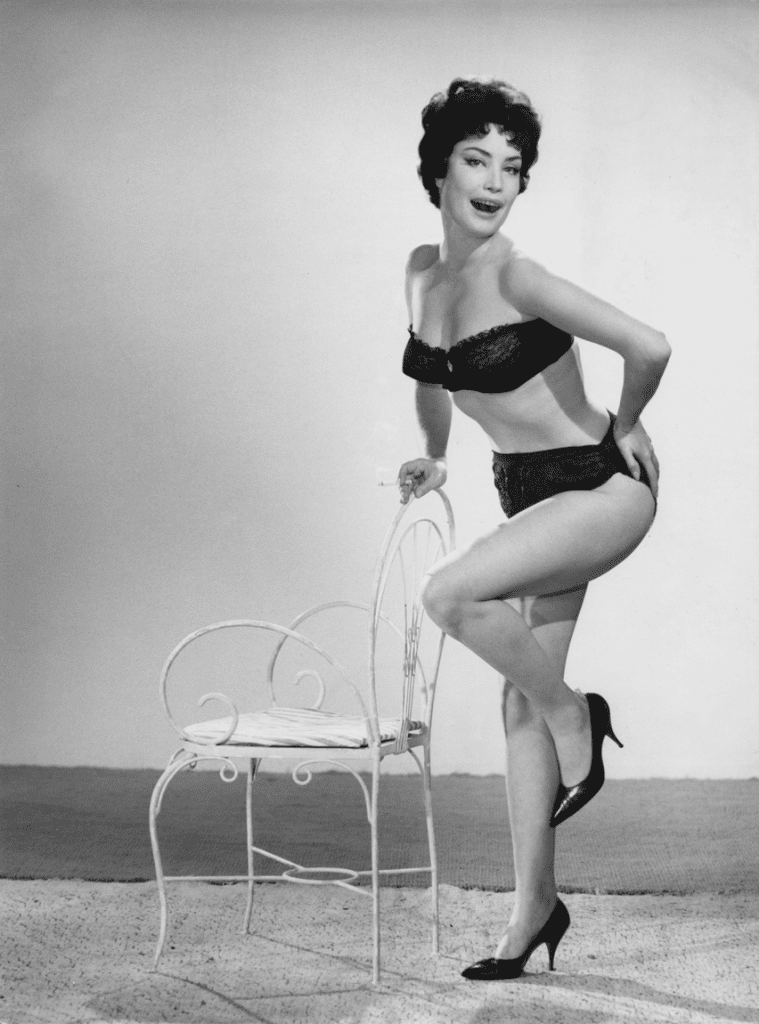
Early Life: A Childhood Behind The Curtain
Ellen Schwiers was born on June 11, 1930, in Stettin, Pomerania—today known as Szczecin, Poland. Her life didn’t begin in quiet suburban comfort. It began backstage.
Her father, Lutz Schwiers, was a touring theater actor. That meant costumes instead of lullabies, rehearsals instead of routine. The stage wasn’t a dream she discovered later—it was her environment from the start.
Think about how powerful that is. Some children learn language at the dinner table. Ellen learned it through scripts and dramatic pauses.
Growing up during turbulent historical times forged resilience in her character. Hardship has a way of shaping depth. And depth would later define her performances.
By 19, she stepped onto the professional stage at Theater Koblenz. She was young, surrounded by seasoned performers, and fully aware of the challenge. But instead of shrinking, she expanded.
She carried fearlessness. And fearlessness changes everything.
Theater Göttingen And A Rising Reputation
In 1953, Ellen joined Theater Göttingen under director Heinz Hilpert. This wasn’t just another contract—it was ignition.
Her portrayal of Minna in Minna von Barnhelm turned heads. Critics took notice. Audiences leaned in. Suddenly, Ellen Schwiers wasn’t just promising. She was commanding attention.
But she didn’t chase safe roles.
She gravitated toward complex characters—women layered with contradiction, strength, and vulnerability. At Zurich’s Schauspielhaus, she appeared in major premieres like Friedrich Dürrenmatt’s Der Meteor and Max Frisch’s Biografie: Ein Spiel.
These weren’t simple productions. They demanded emotional excavation. Ellen delivered it.
She didn’t skim the surface of a role. She dug.
Salzburg Festival: The Defining Moment
In 1961 and 1962, Ellen Schwiers stepped onto one of Europe’s most prestigious stages—the Salzburg Festival.
As Buhlschaft in Jedermann, she delivered a portrayal that blended grace, seduction, and sharp intelligence. It wasn’t about beauty alone. It was about nuance.
Here’s the difference between a strong performance and an iconic one: intention.
Ellen understood that every gesture carries weight. Every silence speaks.
At Salzburg, she didn’t just participate in theater history. She became part of it.
Beyond Acting: Director And Cultural Leader
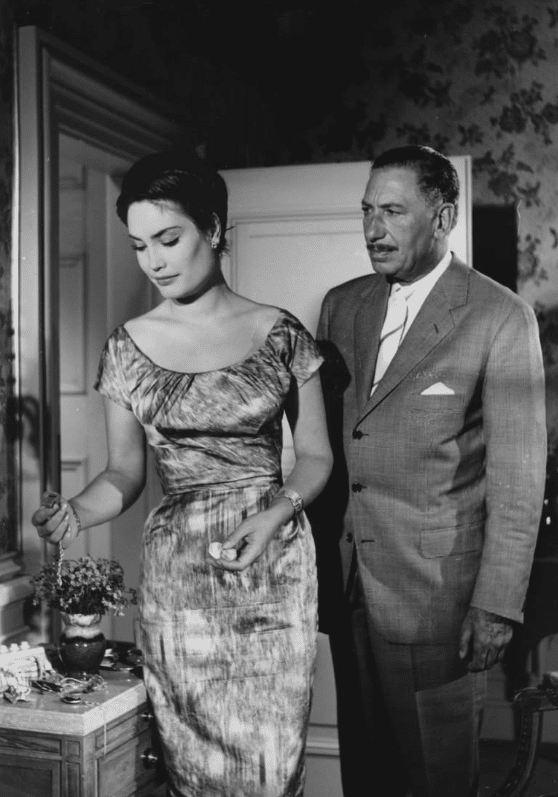
Ellen Schwiers wasn’t content standing solely in front of the spotlight. She wanted to shape the light itself.
She directed Shakespeare’s Twelfth Night at the Burgfestspiele Jagsthausen, revealing a sharp understanding of pacing, tone, and ensemble dynamics. Eventually, she became the festival’s Intendant, guiding its artistic direction with clarity and conviction.
With her husband, actor Peter Jacob, and later alongside her daughter Katerina, she founded Das Ensemble, a touring theater company dedicated to intimate and meaningful productions.
This wasn’t ego-driven expansion. It was stewardship.
Even after Peter Jacob’s passing, Ellen continued leading the troupe. Her commitment never wavered.
At 84, she returned to the stage in Altweiberfrühling, performing beside her daughter. Imagine that moment—a lifetime of craft distilled into one final performance. A generational echo.
That’s legacy in motion.
A Cinematic Career That Crossed Borders
While theater was her sanctuary, film allowed Ellen Schwiers to reach broader audiences.
Her screen debut came in 1949 with Heimliches Rendezvous. From there, she navigated war dramas, comedies, historical epics, and psychological narratives with remarkable adaptability.
In 08/15 Zweiter Teil, she embodied strength and poise. In adaptations like Arms and the Man, she balanced humor with sharp emotional perception.
She didn’t limit herself to one genre. She explored them all.
Her international breakthrough came in 1976 with Bernardo Bertolucci’s epic 1900, where she appeared alongside Robert De Niro and Gérard Depardieu. Even within an expansive, sweeping narrative, Ellen’s performance remained grounded and precise.
Later, Billy Wilder’s Fedora showcased her ability to command intensity with restraint. She understood that power doesn’t always roar. Sometimes it whispers.
Television: A Familiar Face In German Homes
If theater was intimate and film was expansive, television made her personal.
With over 200 appearances in German television productions, Ellen Schwiers became a steady presence in living rooms across the country. Series like Tatort, Der rote Schal, and Doktor Martin benefited from her gravitas.
She could portray a morally complex suspect, a grieving mother, or a wise mentor with equal authenticity.
Her acting style wasn’t exaggerated. It was luminous.
In 2013, she received the Deutscher Schauspielpreis for her performance in In the Prime of Life, a testament to her continued excellence well into her eighties.
That kind of sustained relevance? It’s rare.
Personal Life: Partnership, Family, And Resilience
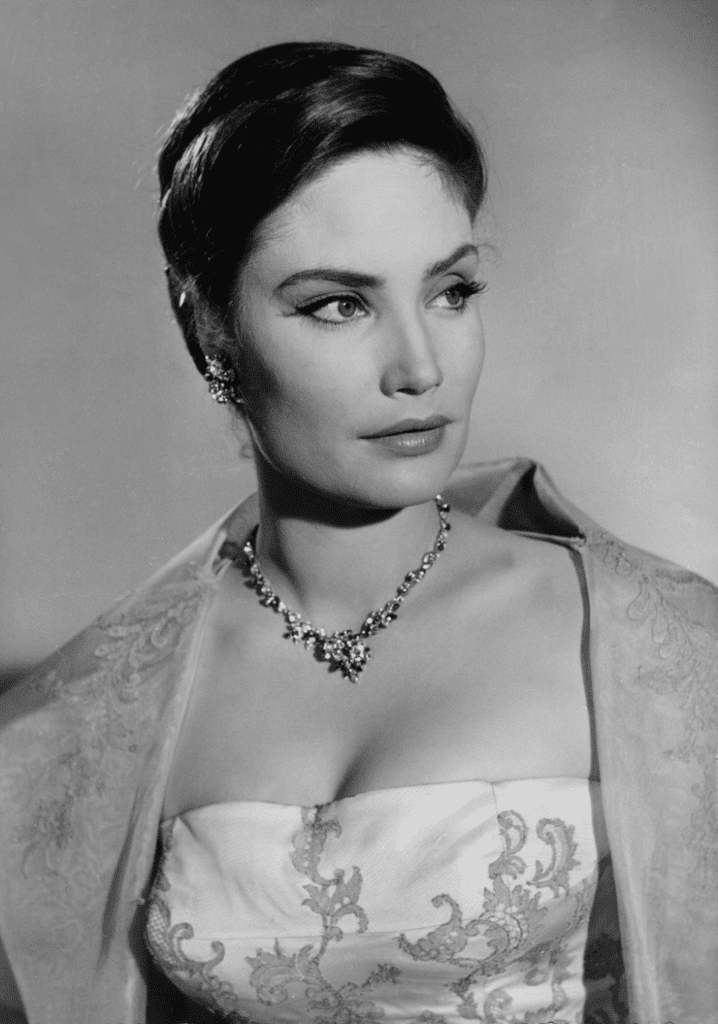
In 1956, Ellen married actor Peter Jacob. Together, they formed one of Germany’s most admired artistic partnerships.
They raised two children, Katerina and Daniel. Their son Daniel’s passing in 1985 left a profound mark on her life. Yet even in the face of deep sorrow, Ellen carried herself with quiet strength.
Her granddaughter, Josephine Jacob, now continues the family’s artistic legacy. The torch didn’t fade. It was passed.
And isn’t that the essence of art? Continuity.
Final Years And Enduring Influence
Ellen Schwiers passed away on April 26, 2019, at her home in Starnberg, surrounded by loved ones. But here’s the truth—artists like her don’t vanish.
Their work lives on. Their performances remain studies in emotional intelligence and disciplined craft.
Students of theater still analyze her roles. Young actors still learn from her restraint. Directors still admire her commitment to truth.
Her influence didn’t dim with time. It expanded.
Conclusion: Why Ellen Schwiers Still Matters
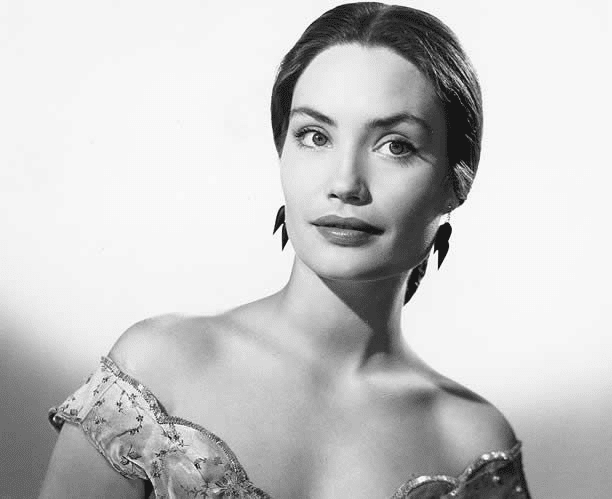
Ellen Schwiers wasn’t simply a German actress. She was an artistic landmark.
From her childhood immersed in touring theater to her defining performances at Salzburg, from international cinema to beloved television roles, she demonstrated what it means to commit fully to craft.
She directed. She led. She nurtured. She endured.
Most importantly, she felt deeply—and invited audiences to feel alongside her.
Great acting isn’t about pretending. It’s about truth wrapped in storytelling.
And Ellen Schwiers mastered that truth.
Her legacy reminds us that talent sharpened by resilience becomes timeless. That passion paired with discipline creates longevity. And that emotional honesty never goes out of style.
Some performers entertain. Others transform.
Ellen Schwiers transformed.